Tummy Tuck
in Tucson, AZ


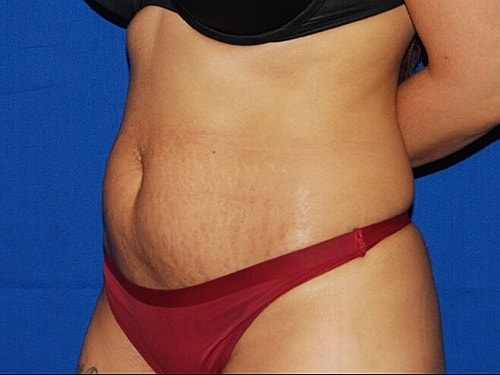
Pregnancy, weight changes, and aging can stretch the abdominal skin and weaken the underlying muscle support. For many patients, that means the lower abdomen still feels loose or full even after regular exercise. A tummy tuck, also called an abdominoplasty, can remove excess skin and fat, repair separated abdominal muscles, and create a smoother contour from the waist to the lower abdomen.
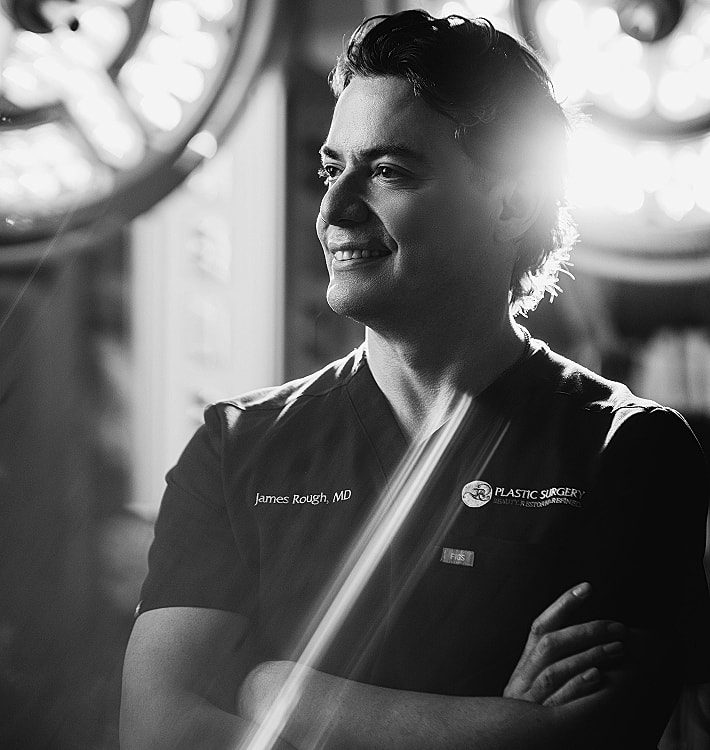
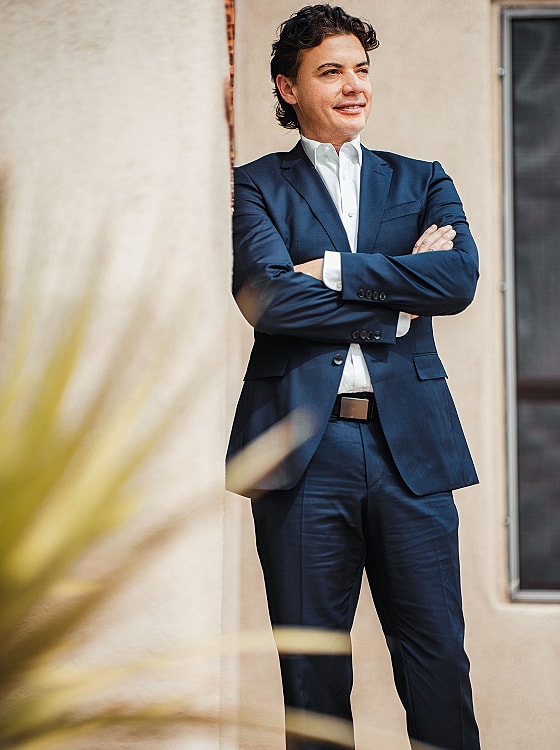
At James Rough, M.D. Plastic Surgery in Tucson, board-certified plastic surgeon Dr. James Rough plans each tummy tuck based on how your tissue has changed over time. Skin laxity, muscle repair, scar placement, and natural proportion all guide the surgical plan, with the goal of creating a flatter abdomen that still feels like your body.

A tummy tuck, also called abdominoplasty, is a plastic surgery procedure that removes excess skin and fat from the abdomen, tightens weakened or separated abdominal muscles, and reshapes the abdominal area. The procedure can create a flatter abdomen and more contoured appearance when skin, fat, and muscle have changed.
A tummy tuck treats excess skin, sagging skin, loose abdominal muscles, and lower abdominal fullness that cannot be corrected through diet or exercise alone.
It may address:
A tummy tuck is strongest when the issue is stretched tissue. A patient at normal body weight with firm skin and isolated fat may be better suited for liposuction. A patient with excess skin, loose abdominal muscles, and a lower abdominal fold usually needs surgical repair.

A tummy tuck doesn’t replace weight loss, remove deep internal fat, prevent future weight gain, erase every stretch mark, or create visible abdominal muscles on its own.
It also can’t protect the result from future pregnancies or significant weight changes. Pregnancy after tummy tuck surgery can stretch the repaired abdominal wall again. Weight gain can change the abdominal contour. Weight loss after surgery can create new loose skin.
This is why timing is part of the consultation. Ideal Tummy Tuck candidates are at or near their target weight, have realistic expectations, and can commit to the recovery process.

The right tummy tuck depends on where the extra skin sits, how much muscle repair is needed, and how far the laxity extends around the waist.
A mini tummy tuck targets the lower abdomen only. It uses a smaller incision than a full tummy tuck and may be appropriate for patients with limited loose skin below the belly button. A mini tummy tuck is not the right choice for patients with upper abdomen laxity or separated abdominal muscles.
A full tummy tuck addresses the entire abdominal area above and below the belly button. It can remove more skin, repair diastasis recti, and reshape the belly button. This is a common option for post-pregnancy abdominal changes, loose skin, and a visible lower belly fold.
An extended tummy tuck reaches farther toward the hips and flanks. It may be used when sagging skin extends beyond the front of the abdomen, which can happen after significant weight loss or multiple pregnancies. The incision is longer because more remaining skin has to be managed.
A circumferential tummy tuck addresses loose skin around the abdomen, hips, and lower back. This is a larger abdominal surgery that may be considered after major weight loss. It requires a more involved recovery plan.
A revision tummy tuck can improve concerns from prior abdominal surgery, including scar position, residual loose skin, contour unevenness, belly button shape, or under-correction. Revision work requires careful planning because connective tissue and scar tissue change how skin and fat move.
A tummy tuck can improve the abdomen in ways that nonsurgical treatments and exercise can’t when skin and muscle have stretched. Dr. Rough can treat skin, muscle, excess fat, scar position, and contour in one surgical plan.
Potential Tummy Tuck benefits include:
The best results look balanced. The abdomen should look supported, not pulled tight.

Tummy tuck and liposuction are both body contouring procedures, but they do different jobs.
Concern | Tummy Tuck | Liposuction |
|---|---|---|
| Loose Skin | Removes extra skin | Does not remove extra skin |
| Muscle Separation | Can repair rectus diastasis | Cannot repair muscle separation |
| Stubborn Fat | Can reduce fat when combined with liposuction | Removes fat through small access points |
| Scar | Lower abdominal incision | Small access scars |
| Best For | Skin laxity, muscle repair, lower belly overhang | Isolated fat with good skin tone |
| Recovery | Longer | Shorter |
Patients with firm skin and stubborn fat alone may be better candidates for liposuction. Patients with loose skin, a lower abdominal fold, or loose abdominal muscles usually need tummy tuck surgery. Some patients need both for a cleaner contour.
A good tummy tuck candidate is at a stable weight, in good health, and bothered by excess skin or abdominal wall changes that do not improve with exercise.
You may be a good candidate if you have loose abdominal skin after pregnancy or weight loss, a lower abdominal fold, separated abdominal muscles, or a C-section shelf. You should be able to take time away from work, strenuous activity, lifting, and childcare duties.
A tummy tuck may not be the right procedure if your weight is still changing, you plan future pregnancies soon, you smoke, or you have uncontrolled medical conditions. Smoking can impair healing and increase surgical risks. Dr. Rough will review your medical history, body type, desired outcome, and recovery support before recommending surgery.
Dr. Rough evaluates excess skin, skin quality, muscle separation, prior scars, belly button position, fat distribution, posture, and waist shape. He also reviews weight history, pregnancy history, prior abdominal surgery, and recovery logistics.
His reconstructive background shapes the operation. The remaining skin has to move with strong blood supply. The muscle repair has to support the abdominal wall without harsh tension. The incision site has to sit low when the tissue allows. The belly button has to look natural.
Preparation is practical. The first week is easier when the house, schedule, and support are ready before surgery.

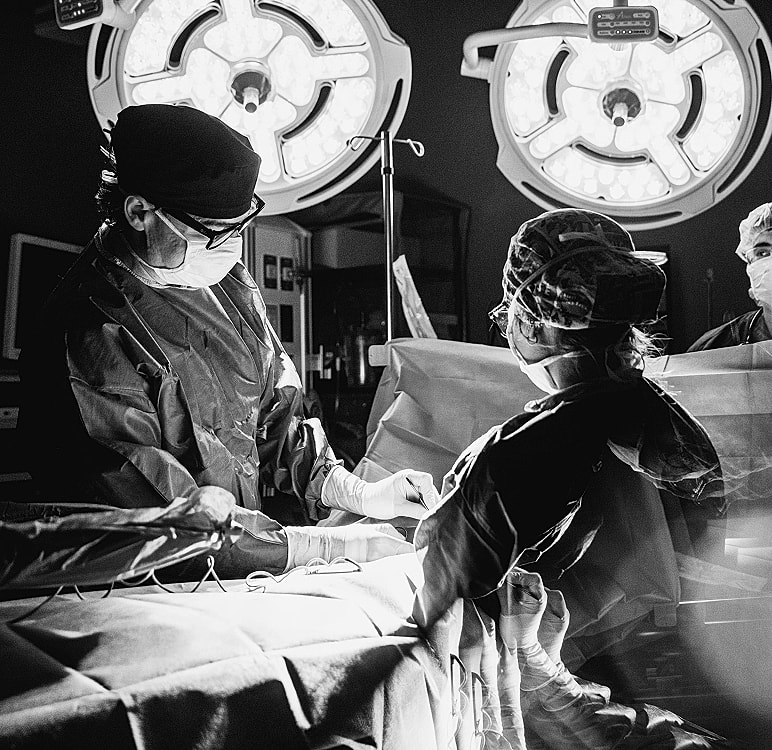
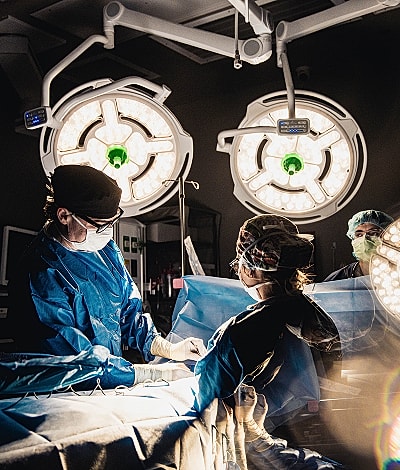
Tummy tuck surgery removes excess skin, repairs the abdominal wall when needed, reshapes the belly button, and closes the incision under controlled tension.
The procedure generally includes:
A tummy tuck feels tight and deep during recovery. During a Tummy Tuck Tucson patients should not feel pain during surgery because anesthesia is used. After surgery, the main sensation is pressure through the abdomen, especially when muscle repair has been performed.
Coughing, laughing, and getting out of bed can be uncomfortable in the first few days. Most patients walk slightly bent at first to protect the incision and reduce tension on the abdominal area.
Recovery from a tummy tuck requires several weeks of limited activity. Many patients return to non-strenuous work in 2 to 4 weeks, depending on the procedure, muscle repair, and how their body heals.
The first week usually involves swelling, soreness, compression garments, and help at home. Drains may be used to remove fluid and are usually removed when drainage drops to a safe level. Sutures, if they require removal, are checked during follow-up visits.
Strenuous activity, heavy lifting, and core work return only after Dr. Rough clears you. Full recovery can take several months. Scars may flatten and fade over 6 to 12 months, though scar behavior varies by skin type and healing pattern.
Potential risks include infection, bleeding, fluid buildup, poor wound healing, visible scarring, asymmetry, numbness, and the need for revision surgery. Tucson Tummy Tuck surgeon, Dr. Rough, reviews these risks during consultation so patients understand the tradeoffs before surgery.
Tummy tuck results appear in stages. The abdomen may look flatter early, but swelling and posture hide the final shape at first.
Timeframe | What You May See |
|---|---|
| First Week | Flatter shape, swelling, bruising, bent posture |
| Weeks 2 to 4 | More upright posture and early contour changes |
| Months 2 to 3 | New contours become easier to see |
| Months 3 to 6 | Swelling continues to fade |
| 6 to 12 Months | Scar and contour continue to refine |
Tummy tuck results can last for many years when weight stays stable and future pregnancies are not planned. The body can still change with aging, weight gain, weight loss, and significant weight changes.
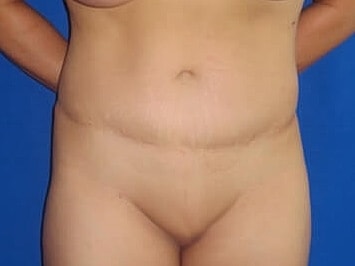
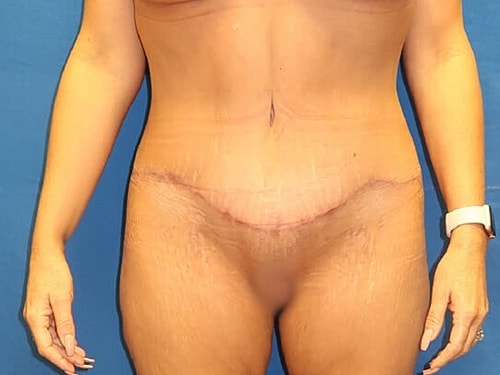
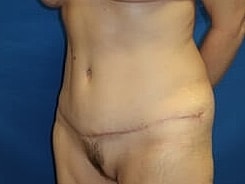
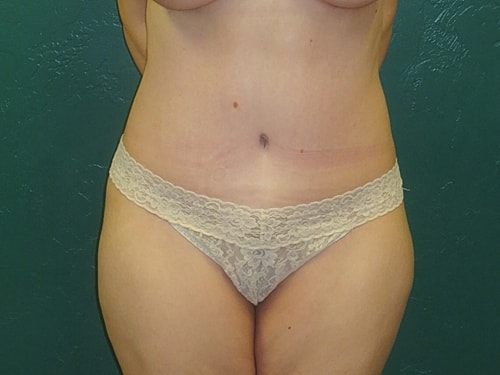
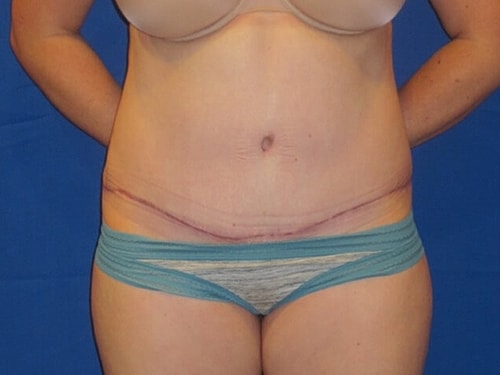
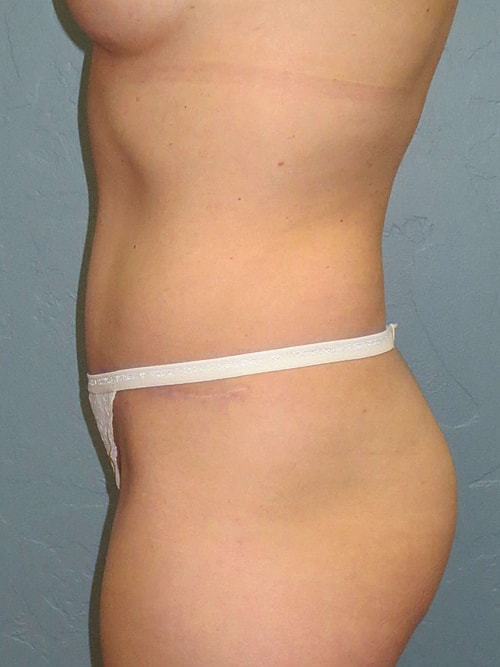
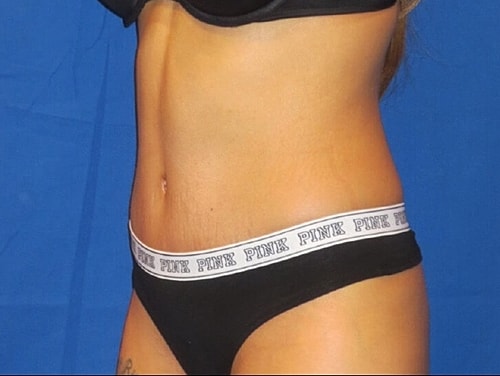
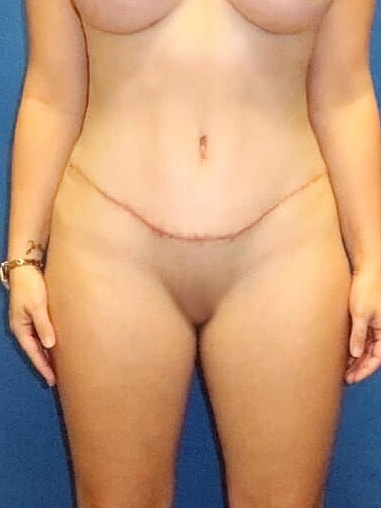
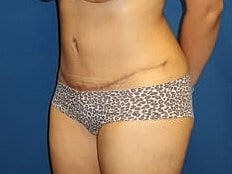
A tummy tuck leaves a permanent scar along the lower abdomen. Careful placement can keep the scar low enough to hide under many underwear and swimwear styles, though scar length depends on the amount of excess skin.
A mini tummy tuck usually has a shorter scar. A full tummy tuck scar may run from hip to hip. An extended tummy tuck scar reaches farther toward the sides. Some patients need a small vertical scar when there is limited skin between the belly button and the pubic mound.
Tucson Tummy Tuck surgeon, Dr. Rough may be able to incorporate an existing scar, such as a C-section scar, into the new incision. Scar care may include silicone, massage when cleared, and strict sun protection. Tucson sun can darken healing scars, so covered healing is part of the plan.
1 of 30
Yes. A tummy tuck can repair diastasis recti when separated abdominal muscles are tightened during surgery.
Diastasis recti happens when the abdominal muscles separate along the midline. Pregnancy is a common cause. It can make the abdomen bulge even when a patient is at a normal body weight. During Tummy Tuck Surgery Tucson plastic surgeon Dr. Rough can bring the muscles back toward the center with internal sutures.
This repair can improve abdominal shape and support. Hernia symptoms, severe core dysfunction, or pelvic floor concerns should be discussed before surgery.
A tummy tuck can be combined with other procedures when the surgical plan is safe and the recovery demands are realistic.
Common combinations include liposuction of the flanks or waist, breast augmentation, breast lift, breast reduction, or other mommy makeover procedures. Some patients may also benefit from mons contouring near the pubic mound or staged revision work.
Combining procedures can reduce the number of separate recoveries. Longer procedures require stricter safety planning.
Dr. James Rough is a board-certified plastic surgeon in Tucson with training in plastic and reconstructive surgery. Patients should choose a board-certified plastic surgeon for tummy tuck surgery and ask potential surgeons how many tummy tucks they perform, where surgery is performed, and how they handle complications.
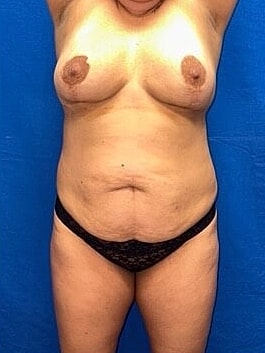
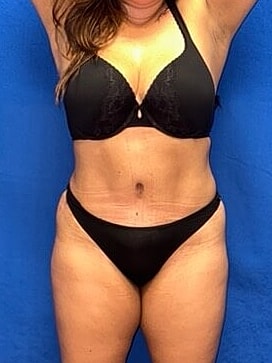
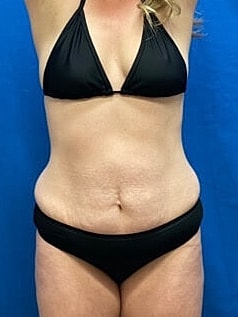
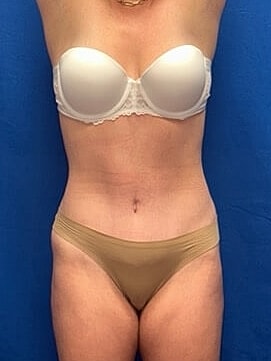
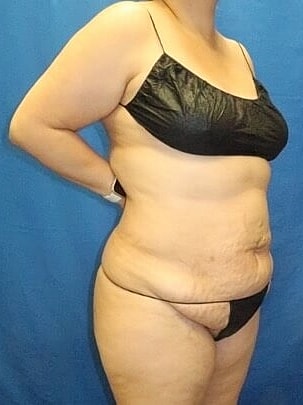
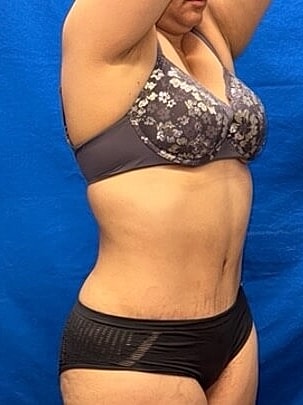
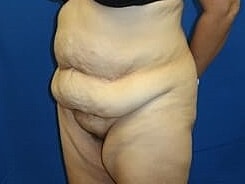
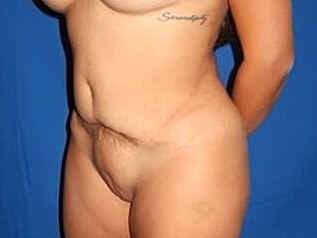
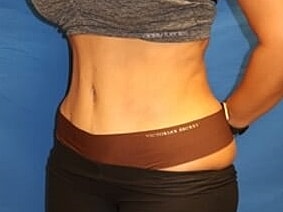
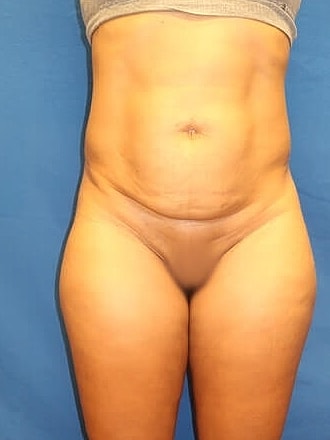
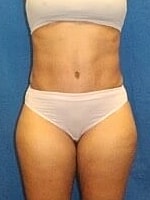
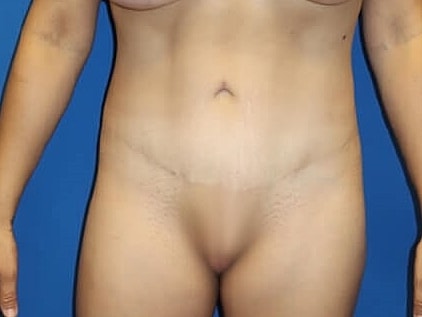
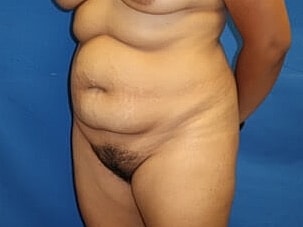
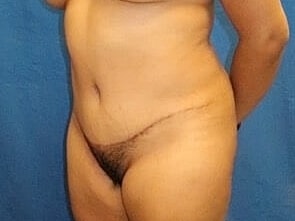
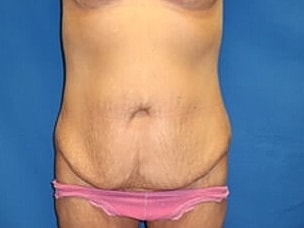
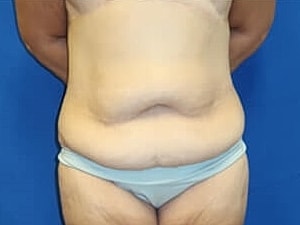
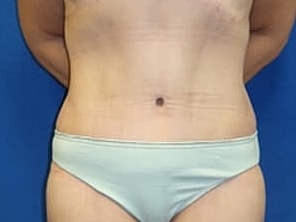
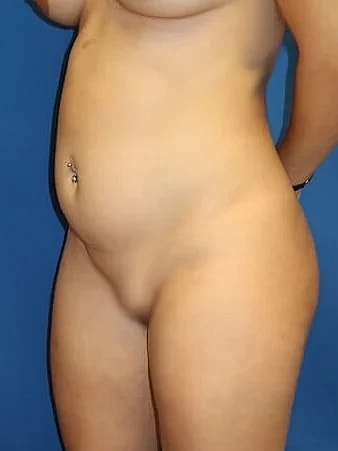
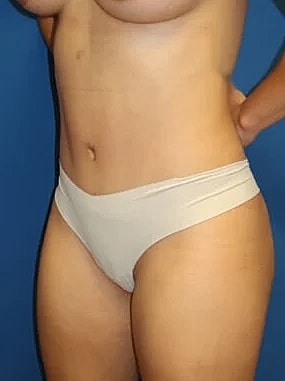
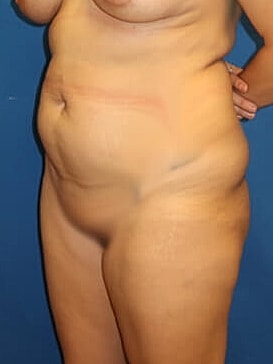
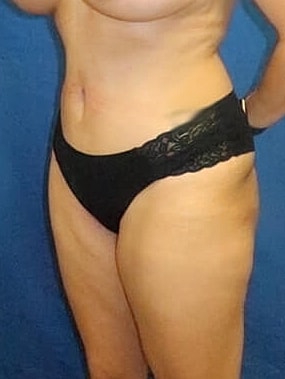
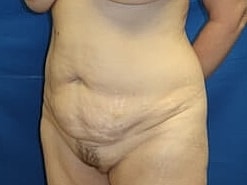
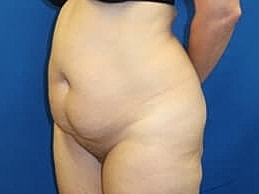
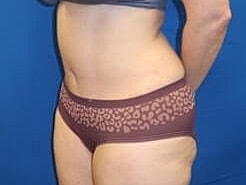
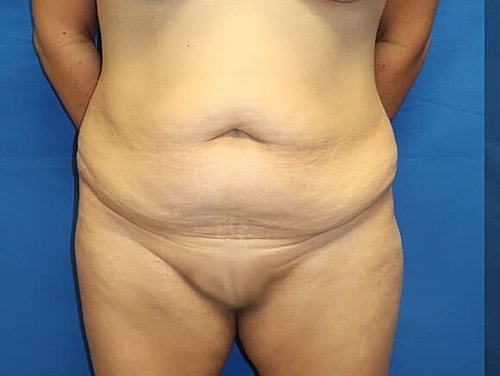
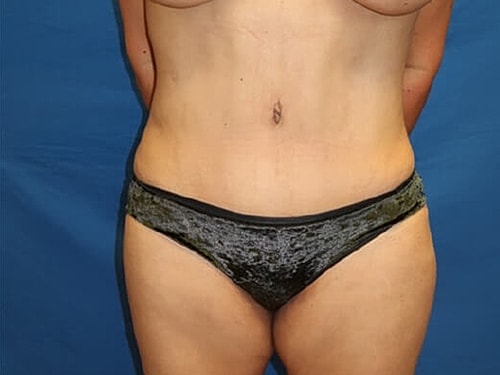
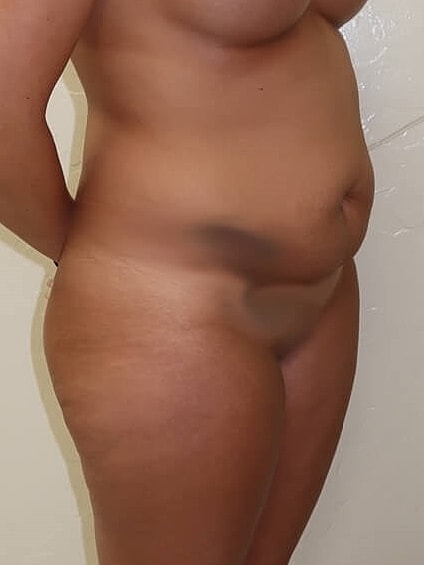
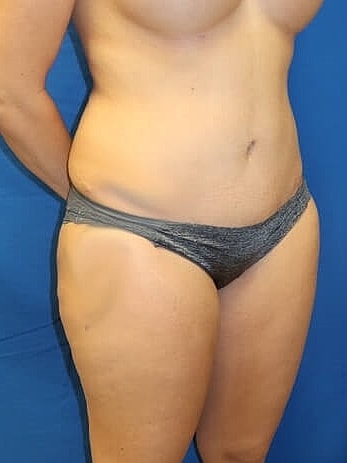
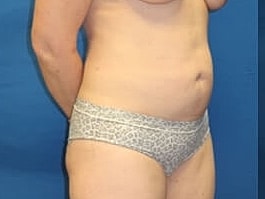
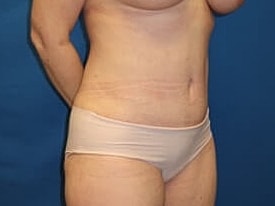
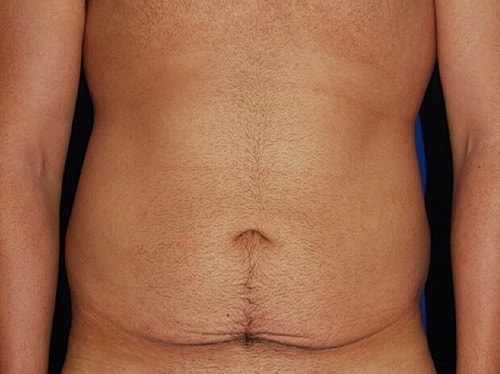
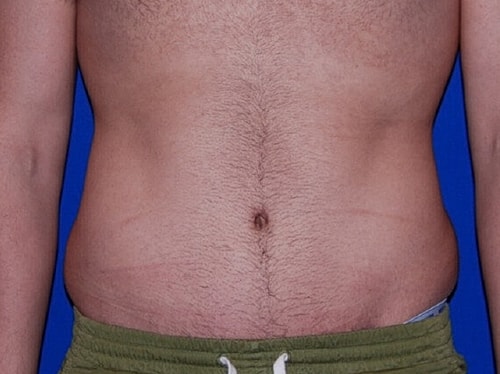
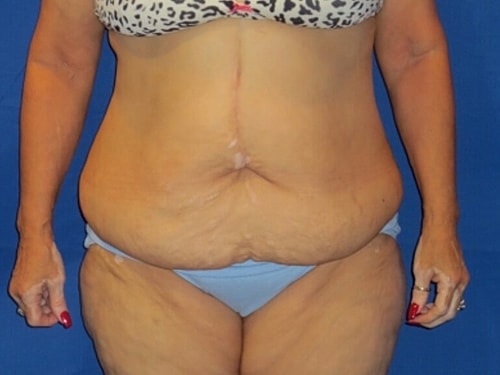
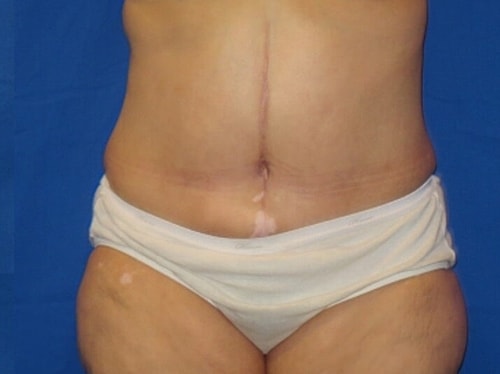
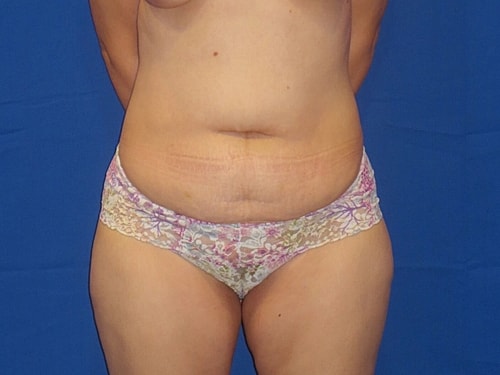
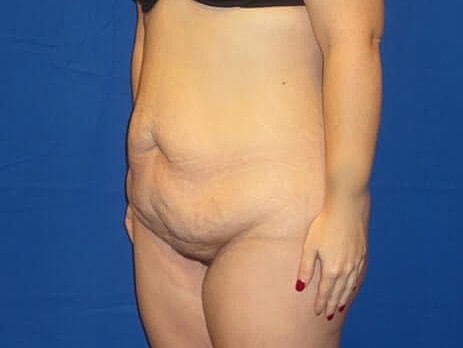
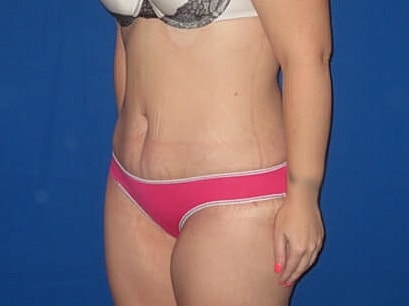
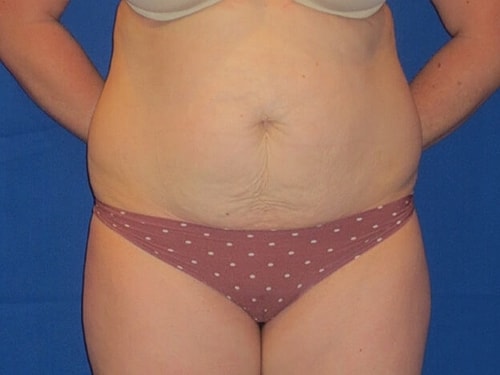
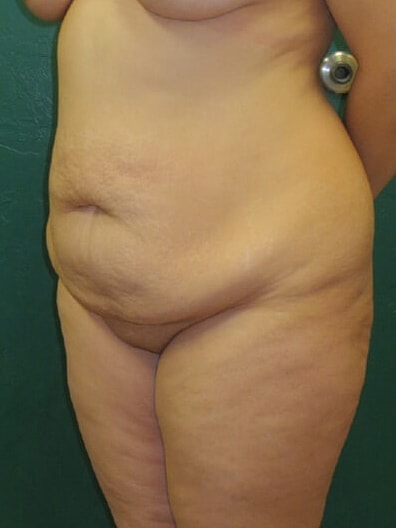
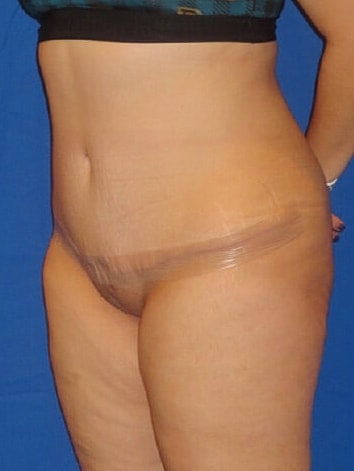
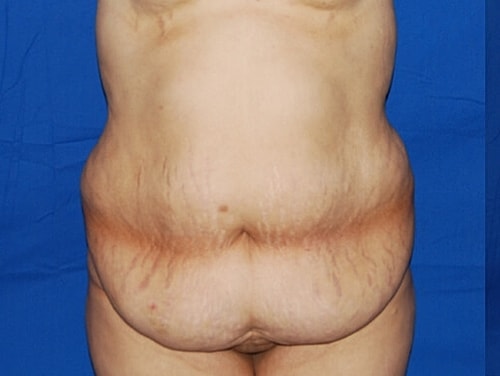
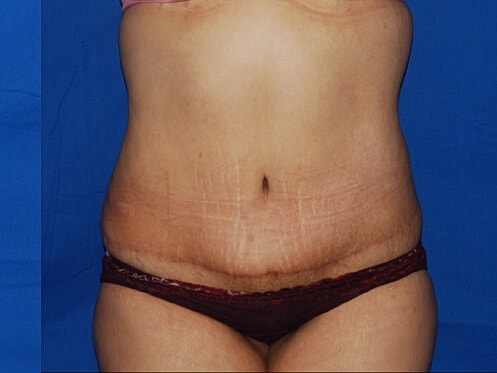
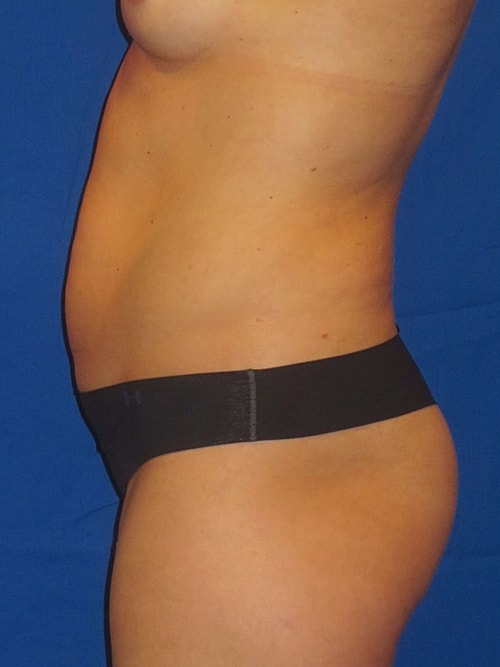
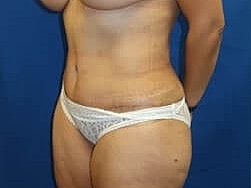
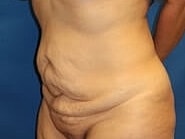
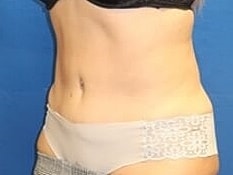
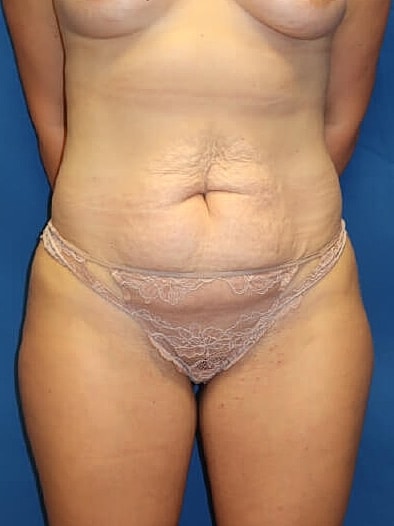
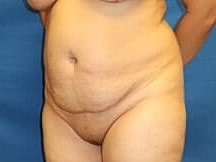
Before choosing a plastic surgeon, review before-and-after photos of similar body types. Ask about scar placement, belly button shaping, muscle repair, and facility accreditation. Your consultation should evaluate both health and aesthetic goals.
Dr. Rough approaches tummy tuck abdominoplasty as abdominal repair and body contouring. The goal is a flatter abdomen, stronger support, and a contoured appearance that fits the rest of the body.
A tummy tuck starts with a close look at skin, muscle, scar position, and recovery needs. Schedule a consultation with Dr. James Rough in Tucson to review your treatment options and build a surgical plan around your body.
Tummy tuck cost in Tucson depends on the type of tummy tuck, amount of excess skin, muscle repair, liposuction, anesthesia, facility fees, revision needs, and surgical time. Dr. Rough provides pricing after examining your abdomen and creating the treatment plan. Financing options may be discussed during consultation.
No. Liposuction removes stubborn fat deposits through small access points. A tummy tuck removes excess skin and can repair separated abdominal muscles. Some patients need both procedures.
A tummy tuck can improve a C-section shelf when the concern comes from loose skin, scar tethering, excess skin and fat, or lower abdominal tissue. Dr. Rough has to examine the area to see how much correction is possible.
A tummy tuck can remove stretch marks located on skin that’s been removed. Stretch marks outside the removed skin area may remain, though some may shift lower on the abdomen.
Plan for help during the first week, especially with children, pets, meals, driving, and getting up from seated positions. Patients with muscle repair or combined procedures may need more support.
Pregnancy is possible after a tummy tuck, but it can stretch the repaired skin and abdominal muscles. Many patients wait until they are finished having children before scheduling surgery.
A full tummy tuck usually reshapes and repositions the belly button. A natural-looking belly button depends on tissue handling, incision placement, scar control, and how the new opening is created.