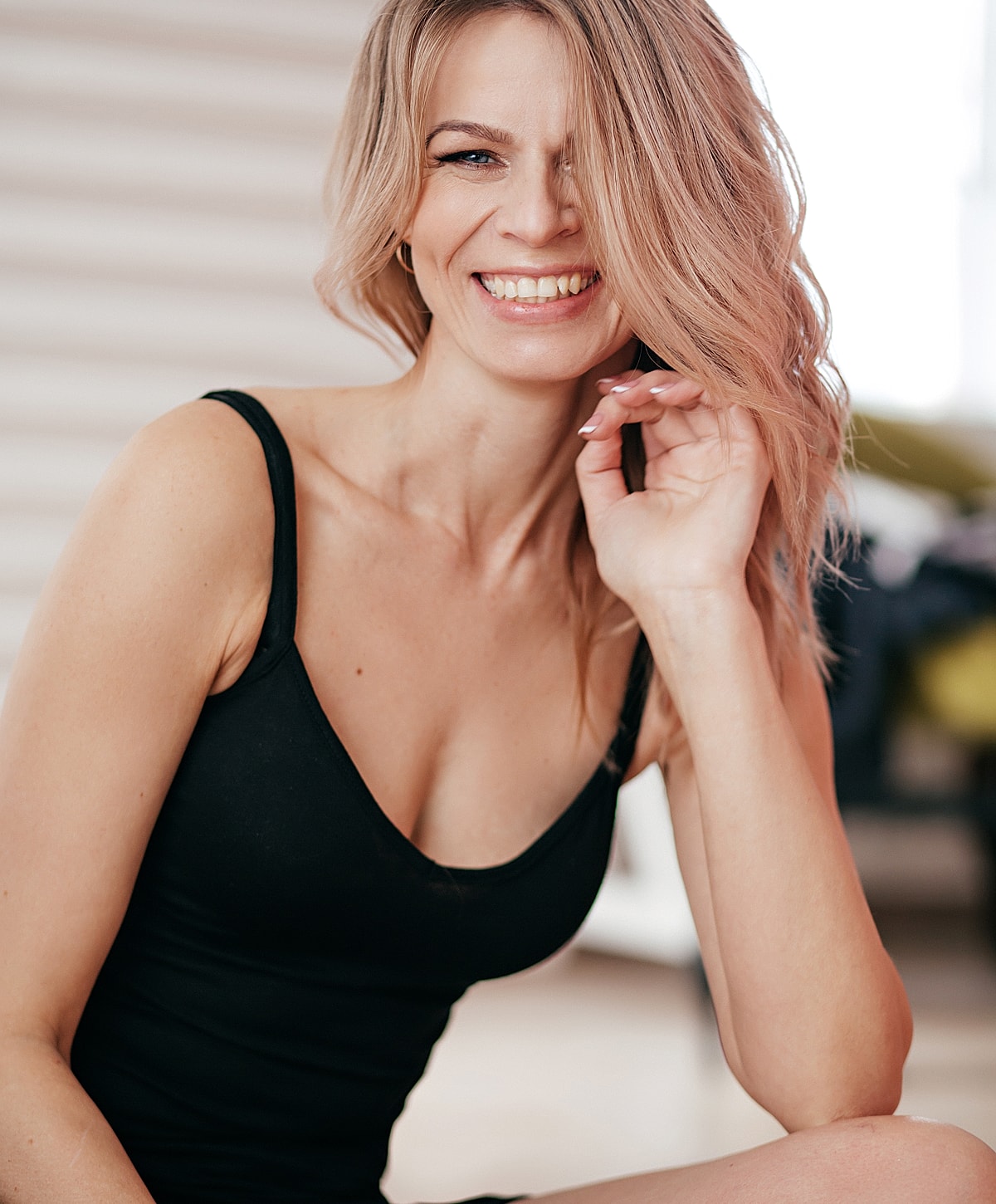
Fat Transfer Breast Augmentation
Tucson, AZ

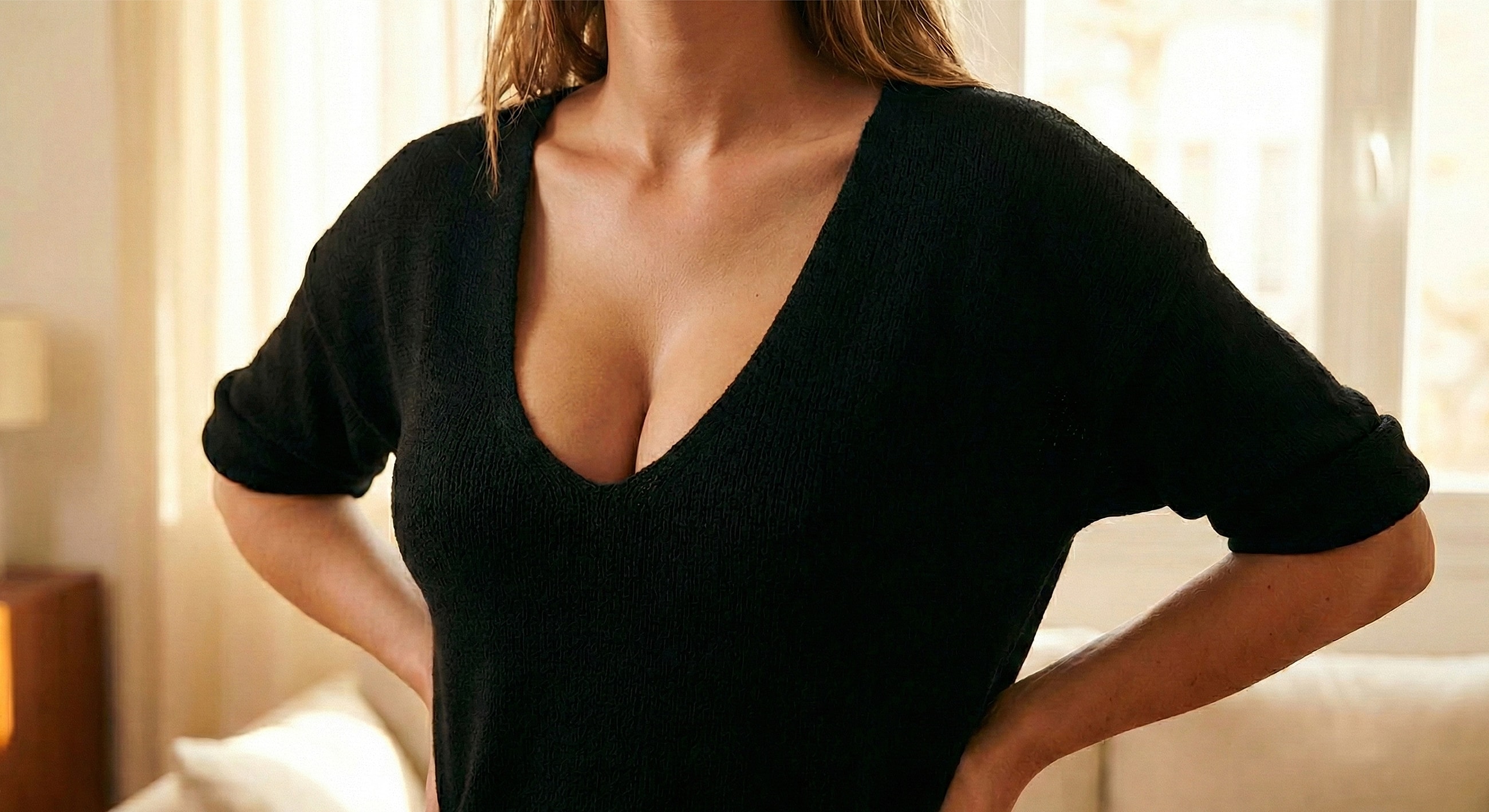
A Subtle Increase Using Your Own Fat
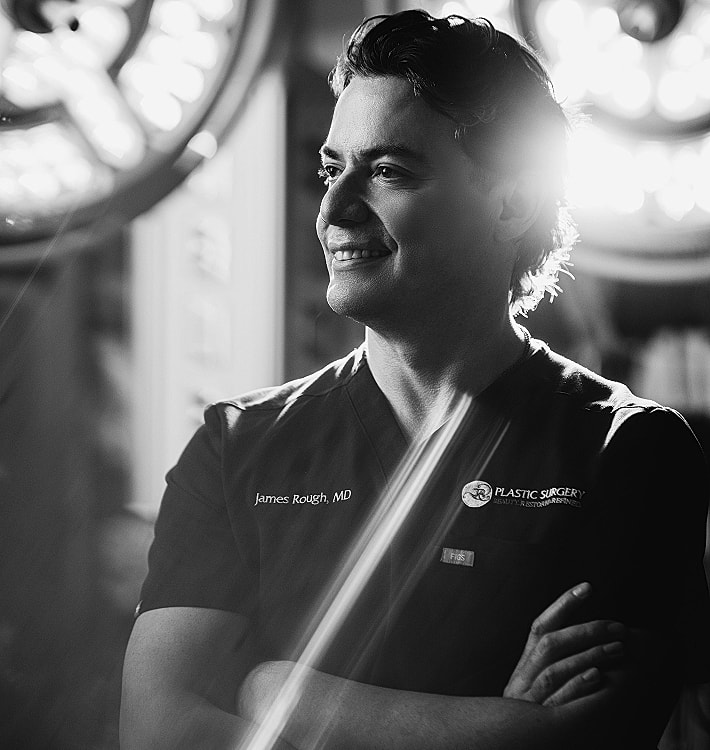
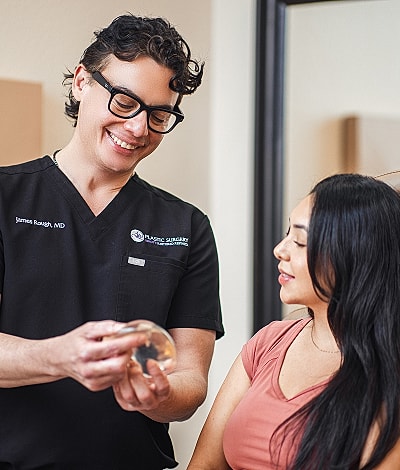
If you’re interested in fuller breasts but prefer to avoid implants, fat transfer breast augmentation may be an option. It uses your own fat to create a modest increase in breast size and can also improve areas that look less full or slightly uneven. At his Tucson practice, Dr. James Rough takes time to understand what you’d like to change and explain what fat transfer could realistically offer you.

Understanding Breast Fat Grafting
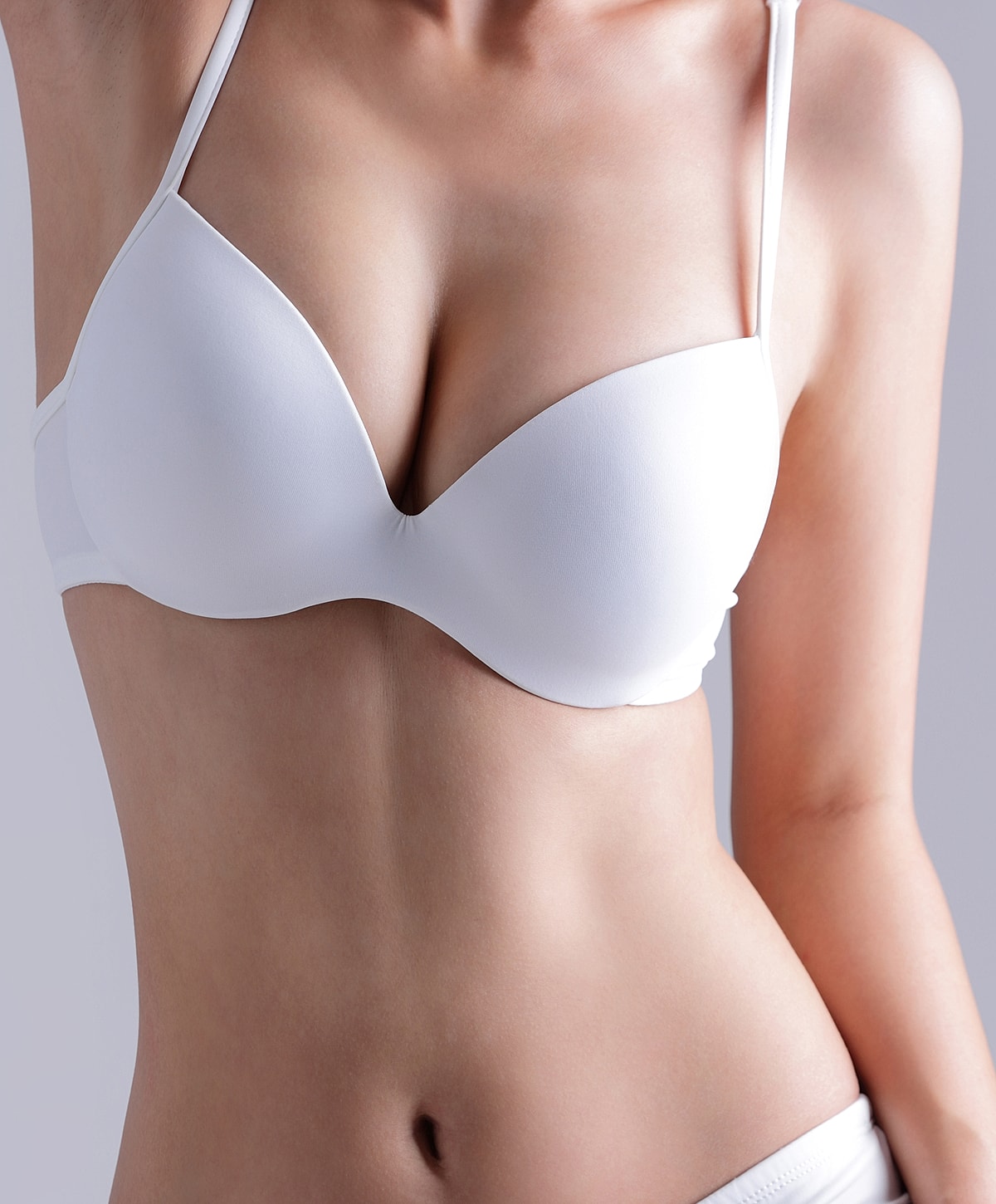
Fat transfer breast augmentation moves extra fat from another body area into your breasts. Sometimes called natural breast augmentation, it uses liposuction to collect fat cells, which are prepared and injected to add volume. It is a natural option for a modest increase using your own fat.
Fullness Where You Want It
Fat grafting can enhance breast shape by addressing:
Fat grafting also has a role in breast reconstruction. Correction after breast reconstruction surgery requires planning around your past treatments and tissue health.

Setting a Realistic Size Goal
Expect a modest increase, with no guaranteed cup size. Available fat, breast tissue capacity, and graft survival affect the result. Some patients need more than one fat transfer.
Dr. Rough accounts for absorption when planning treatment. Adding extra fat does not guarantee lasting volume. Overfilling can reduce blood supply and increase complications.
Your body type and goals help guide the choice of breast augmentation.
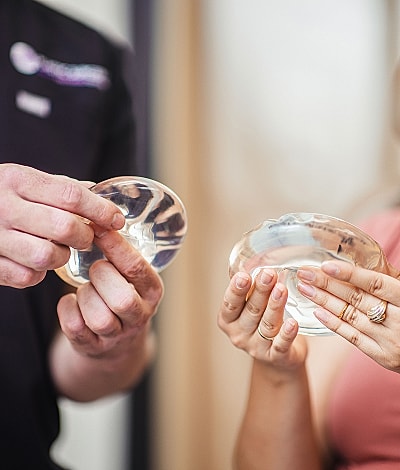
Consideration | Fat Transfer | Breast Implants |
|---|---|---|
| Volume source | Your own fat | Saline or silicone implant |
| Size change | Usually modest | Wider size and projection range |
| Placement | Small grafts distributed through tissue | Implant placed in a surgically created pocket |
| Donor fat | Sufficient fat required | Not required |
| Future care | Possible additional grafting | Monitoring and possible replacement |
Fat transfer alone avoids implant rupture and capsular contracture, when scar tissue tightens around an implant. Fat grafting has its own risks. The FDA notes that breast implants are not lifetime devices.
When Loose Skin Is Part of the Concern
Fat transfer adds fullness but cannot remove extra skin or reliably raise low nipples. A breast lift addresses those concerns. Some patients can combine a lift with fat grafting.
If you’re unsure whether you need volume, a lift, or both, Dr. Rough can assess your breast shape and explain which approach fits your goals.
Different Preparations for Different Purposes
Dr. Rough selects different systems for different fat-transfer applications. For breast fat transfer, he uses Tulip instruments to collect and prepare fat, including microfat and, when appropriate, nanofat.
Microfat contains small pieces of tissue with viable fat cells. It adds volume, and careful placement helps the grafts receive nourishment from nearby tissue.
Nanofat undergoes further processing and is being studied for skin quality and scar treatment. It doesn’t provide volume for breast enlargement. Dr. Rough will explain whether a separate nanofat application fits your concerns.
Planning Around Your Whole Shape
Common donor areas include the abdomen, sides, and thighs. Dr. Rough checks where he can safely remove fat while keeping your shape smooth. Enough fat for transfer does not justify excessive removal. Liposuction can shape your body, but it is not for weight loss.
From Harvesting to Placement
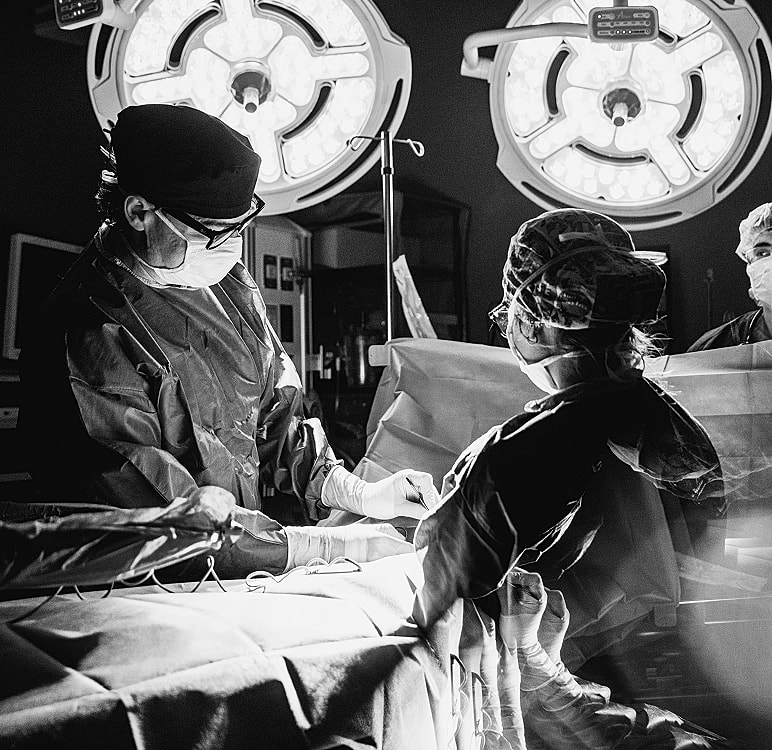
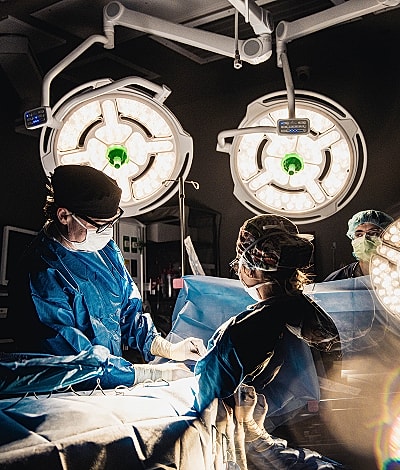
The fat transfer procedure involves collecting fat, preparing it, and injecting it into the breasts. Dr. Rough uses a thin tube through small incisions to collect fat, separates out excess fluid, and places purified fat in small amounts. Spreading the grafts out helps them receive nourishment from surrounding tissue.
General anesthesia or local anesthesia with sedation may be appropriate. Procedure length depends on your surgical plan, including any additional breast procedures.
Enhancement With Your Own Tissue
Potential benefits include:
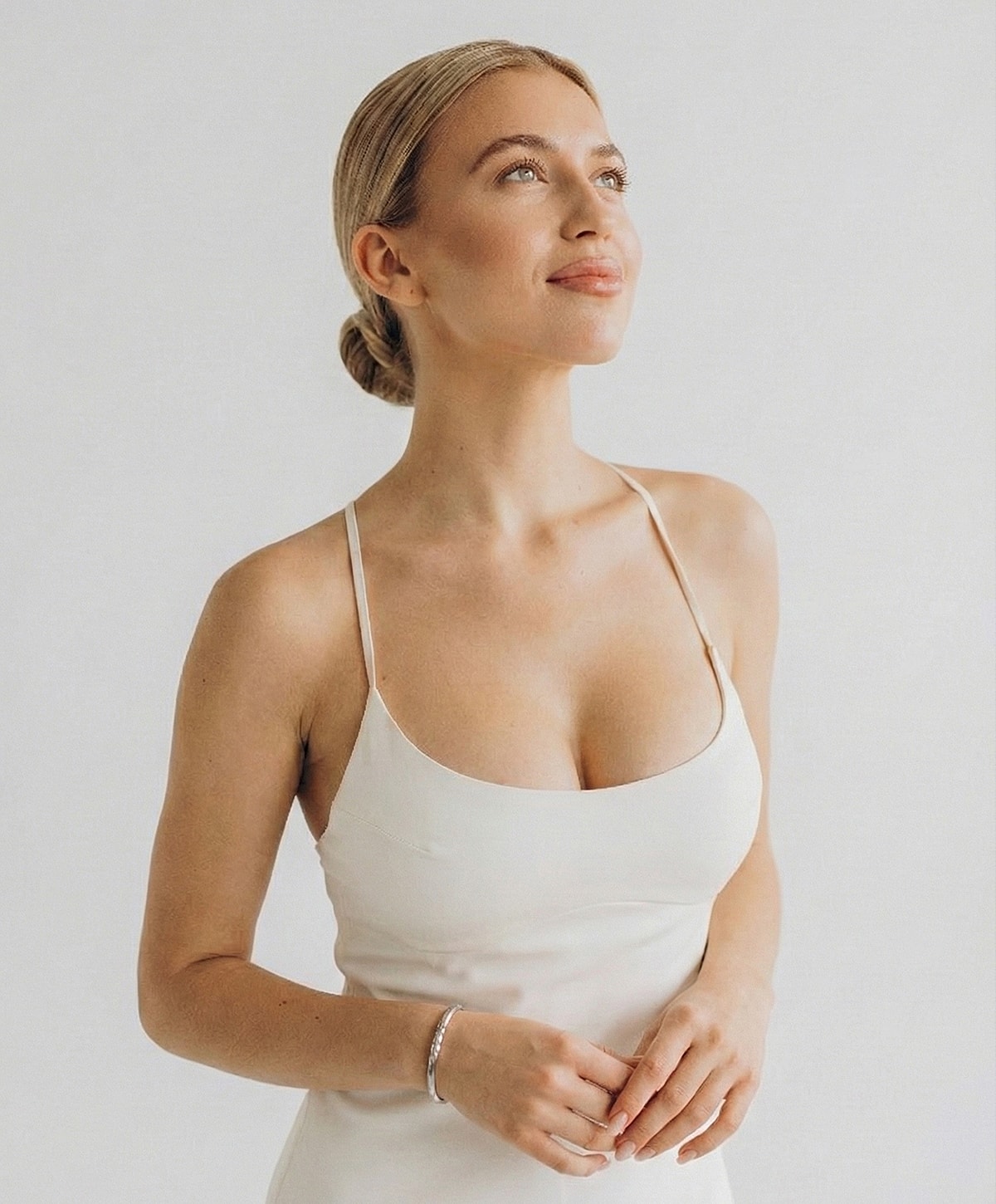
You may be a good candidate if you are healthy, do not smoke, maintain a stable weight, and have realistic expectations. You need enough body fat to harvest safely. Low body fat may limit treatment, although being lean does not automatically rule it out.
Surgery is delayed during pregnancy or breastfeeding. A breast cancer history, unexplained lump, or abnormal imaging needs further evaluation, sometimes with your breast-care team.
A Plan Built Around Your Anatomy
Bring the changes you have in mind and any questions about surgery. Dr. Rough examines your breasts and donor areas, reviews your health history and medications, and explains appropriate options. He may show photos of patients with a similar body type. Breast screening may be recommended.
If time off or cost affects your decision, a consultation can help you understand recovery needs and receive a personalized estimate. Use that information to decide whether surgery fits your life.
If you proceed, you’ll receive nicotine and medication instructions. Change prescribed medicines only with your clinicians’ guidance. Arrange transportation and help at home while lifting is restricted.
Caring for Both Treatment Areas
Swelling, bruising, and soreness are common in the breasts and donor areas. Gentle walking is encouraged. Rest on your back to avoid breast pressure, and take pain medicine as directed.
Many patients return to desk work within one to two weeks. Healing continues beyond this point. Physical work, lifting, and exercise need Dr. Rough’s clearance.
Compression may support donor areas, while the breasts need protection from excessive pressure. Follow Dr. Rough’s instructions for a surgical bra and sleeping positions. Strenuous exercise is restricted for several weeks.
Giving the Fat Time to Settle
Initial swelling makes your breasts look fuller than the settled result. Some transferred fat is absorbed, and it may take up to six months to assess breast volume.
Fat that establishes a lasting blood supply can remain for years. Weight changes, pregnancy, and aging can still affect your results. Keeping a stable weight helps preserve fullness; additional grafting may be considered after healing.
Understanding the Tradeoffs
Risks include infection, bleeding, sensation changes, uneven results, and contour irregularities. Fat necrosis occurs when grafted fat does not survive and may cause firm spots. Oil cysts and calcifications can also develop, sometimes requiring treatment.
Allergic reactions to medicines or surgical materials, anesthesia complications, and fat embolism are additional risks. Report fever or worsening pain promptly. Chest pain or trouble breathing requires emergency help.
Keeping Breast Health in View
Continue recommended breast screening and tell your imaging team about the procedure. Oil cysts and calcifications may appear on mammograms. Additional imaging or biopsy may be needed to distinguish surgical changes from other findings. Have any new lump checked.
Precision, Care, and Patient Trust
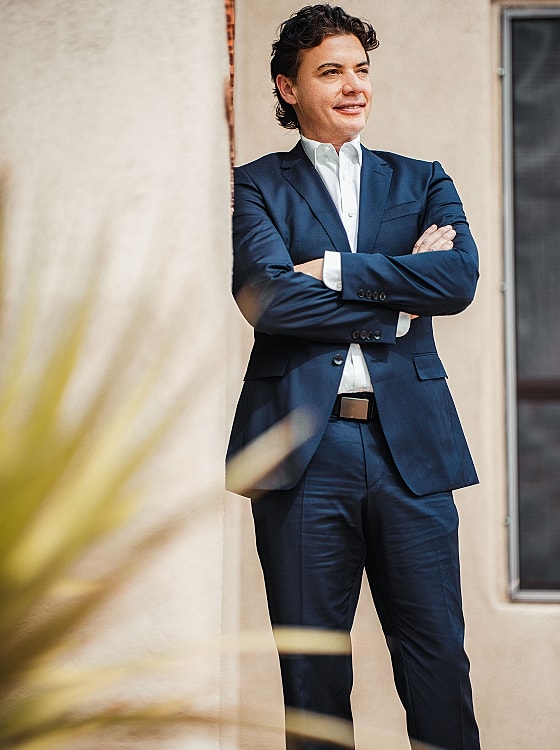
Dr. James Rough is certified by the American Board of Plastic Surgery. He completed plastic surgery residency at UCLA and a microsurgery fellowship, with additional body contouring training from Dr. Alfredo Hoyos.
As a board-certified plastic surgeon, he considers both where fat is taken and where it is placed. He explains anatomical limits and helps you compare options. He speaks English and Spanish to support clear communication throughout your care.
The Thoughtful Care You Deserve
Your goals and anatomy guide the recommendation. Meet with Dr. Rough to understand the fullness your body may support and the tradeoffs of each option. Then decide whether treatment feels right for you.
Cost depends on the liposuction areas, complexity, anesthesia, and facility fees. Your personalized estimate explains what is included. Insurance generally excludes this cosmetic procedure; breast reconstruction coverage depends on your circumstances and policy.
Breastfeeding may remain possible, but future milk production cannot be guaranteed. Discuss family plans with Dr. Rough, especially if another breast procedure is included.
Small scars form at instrument entry sites. They usually fade but may remain visible. Your skin and healing history influence their appearance.
Wait until breastfeeding has ended and breast size and weight have stabilized. Dr. Rough will assess when your tissues are ready.
Gaining weight solely for surgery is generally unhelpful if you plan to lose it later. Weight loss can reduce transferred volume. Start at a weight you can maintain.
It may restore some fullness, but one session cannot reliably replace an implant’s entire volume. A breast lift or staged fat grafting may be appropriate.
Added tissue can soften visible edges or rippling in selected patients. Dr. Rough first checks whether the implant itself needs treatment.