Neck Lift
Tucson, AZ

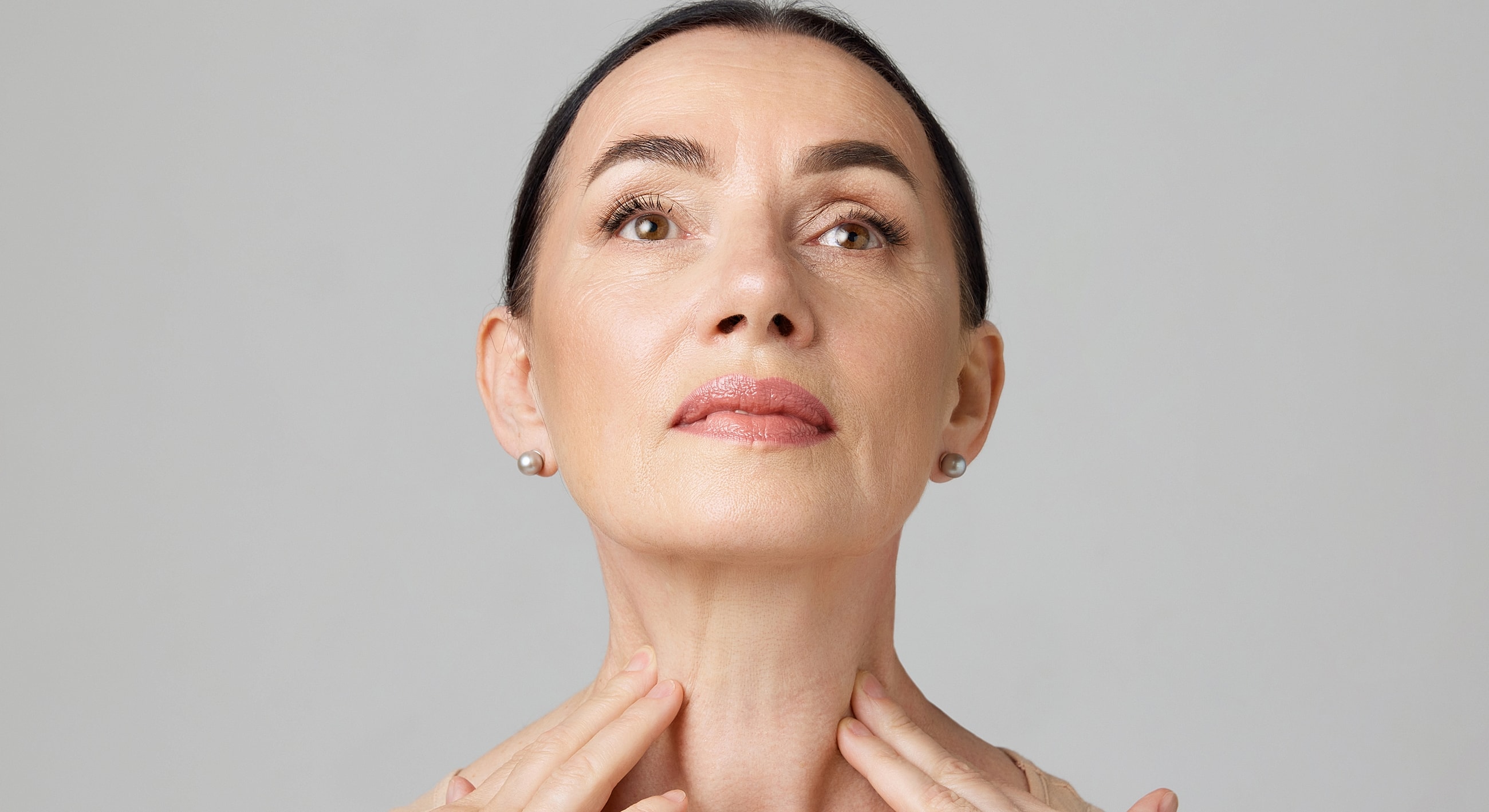
Your neck can start to change even if you’re still happy with how your face looks. You might see loose skin under your chin or bands that show more when you move your neck. Sometimes, extra fat is also a factor. A neck lift can address these issues, but the best treatment depends on what’s happening beneath the surface. At James Rough, M.D. Plastic Surgery in Tucson, Dr. James Rough, a board-certified plastic surgeon, carefully examines your skin, fat, and neck muscles to find the right option for a smoother, more defined neckline that still looks natural.

A neck lift is a surgery that helps with loose skin, muscle bands, and extra fat in the neck. It’s sometimes called a lower rhytidectomy. During the procedure, the surgeon lifts and repositions the skin, removing any extra skin. If needed, the muscles underneath can also be tightened.
The platysma is a key muscle that runs down the front of your neck. As you age, changes in this muscle can cause the vertical bands you see under your chin. A procedure called platysmaplasty can move the muscle back into a better position, giving your neck a smoother shape.

People think about neck lift surgery for many reasons. Some have only a little fat under the chin but notice a lot of loose skin. Others have firm skin but see muscle bands or fullness that doesn’t go away with weight loss. A neck lift may improve:
Dr. Rough will check which of these changes you have and how much each one affects your appearance. This helps him figure out how much correction you really need.
Dr. Rough starts by examining your neck and jawline, including how your skin moves, where fullness is coming from, and whether the neck muscles have loosened. He'll also look at your chin structure and whether the changes extend into your lower face.
These details help him decide if you need a full neck lift, a smaller procedure, or a less invasive option. Every treatment has its limits, especially if your bone structure affects your profile. Dr. Rough will explain what can and can’t be changed, so you know what results to expect.
Neck liposuction removes excess fat beneath the chin through small incisions. It can work well for someone who has a double chin but still has good skin elasticity. If there's a lot of loose neck skin or visible muscle banding, liposuction alone usually won't provide enough correction.
FaceTite uses radiofrequency energy under the skin to treat mild to moderate looseness and small areas of fat. It’s less invasive than a traditional neck lift, with smaller entry points and usually less recovery time. However, it can’t remove a lot of extra skin or fix major muscle separation. Skin resurfacing can help with texture, but not with these deeper issues.
Quantum RF skin tightening uses radiofrequency energy to help tighten tissue beneath the skin. It may be an option if you have mild to moderate neck laxity and don’t need the skin removal or muscle repair of a neck lift. Dr. Rough can explain whether it would give you enough improvement.
A facelift may be appropriate when sagging extends into the cheeks and jowls. If those areas have changed along with your neck, treating them together can create a more consistent result.
If you’re deciding between a neck lift, nonsurgical skin tightening, or liposuction, it can be hard to know what you need. In a consultation, Dr. Rough will show you what’s causing the changes and explain what each treatment can actually improve.
Neck lift surgery may be performed under general anesthesia or intravenous sedation, depending on the extent of treatment. The incisions and surgical steps are planned around how much skin, fat, and muscle correction you need.
A traditional neck lift typically uses incisions that begin near the sideburn, extend around the ear, and continue into the hairline. This allows the surgeon to work with the deeper tissues, tighten the neck muscles when needed, and remove excess skin. Sometimes a small incision beneath the chin is also necessary.
A mini neck lift uses shorter incisions and may be suitable when there's less skin laxity. The tradeoff is that a limited incision doesn't provide the same access or degree of correction as a full neck lift. Dr. Rough can explain whether a shorter-incision approach would be enough for your particular concerns.
Depending on the changes being treated, a neck lift can:
How much you improve depends on your anatomy, your skin quality, and the type of surgery you have.

You might be a good candidate if loose neck skin, muscle bands, or a less defined jawline bother you and you’re in good health. Keeping a healthy, steady weight helps, too. Age doesn’t matter as much, some younger people get neck laxity early, while others keep firm skin as they age.
Dr. Rough will review your medical history, medications, nicotine use, and previous procedures before recommending surgery. He'll also help you decide whether a full neck lift makes sense or if a smaller procedure could address your concerns.
Before surgery, Dr. Rough will give you instructions based on your health and the procedure you're having. You may need to adjust certain medications or supplements, avoid nicotine, and complete any required medical testing. Never stop prescription medication without guidance from your medical team.
You’ll need someone to drive you home and help you during the first part of recovery. Set up a comfortable place to rest with your head raised, and try to finish errands before surgery to make the first days easier.

The first few days usually involve some swelling, bruising, tightness, and temporary numbness. Your neck may feel stiff, especially when turning your head. Depending on the procedure, Dr. Rough may have you wear a supportive wrap, and some patients need a temporary drain.
Most patients plan on about one to two weeks before returning to desk work or feeling comfortable with social activities. You can usually begin gentle walking early, but you'll need to avoid heavy lifting, strenuous exercise, and excessive neck movement until Dr. Rough clears you.
Keeping your head raised helps reduce swelling. Don’t put ice directly on your neck, as it can affect blood flow to healing tissue. Bruising usually gets better in a couple of weeks, but some swelling may take a few months to go away completely.
Yes, but the incisions are usually placed where they'll be less noticeable, such as around the ears or within the hairline. Some patients also have a small incision beneath the chin. The location and length depend on the type of neck lift performed. Scars usually become softer and lighter as they heal, but they won’t go away completely. It’s especially important to protect your incisions from the sun in Tucson. Dr. Rough will show you how to care for them during recovery.
You'll begin seeing a clearer neckline as the initial swelling goes down. The area continues to settle over the next several months, and the scars gradually mature as well. Neck lift results can last for years, but surgery can’t stop normal aging. Your skin will keep changing, and changes in your weight can affect how your neck looks. Dr. Rough will talk with you about what results you can realistically expect based on your starting point.
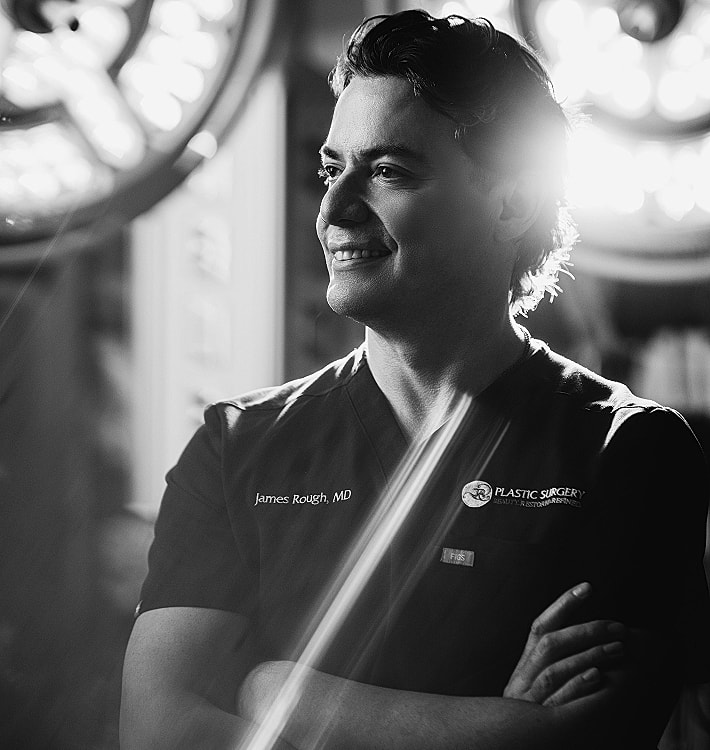
Dr. James Rough is certified by the American Board of Plastic Surgery and completed his plastic surgery residency at UCLA, followed by fellowship training in microsurgery. His background in reconstructive surgery gives him extensive training in tissue handling, blood supply, and how different layers of the body heal.
This experience helps when working with the delicate parts of the neck. Dr. Rough takes time to learn what you want to change, examines your anatomy, and explains which surgery makes sense. If a less invasive treatment is enough, or if surgery isn’t right for you now, he’ll talk through those options with you.
You don’t have to know which procedure you need before your visit. At your consultation, Dr. Rough will examine your neck and lower face, explain what’s causing the changes, and go over the treatments that could help. You’ll also discuss recovery, incision locations, risks, and costs so you know what to expect.
If you’re thinking about a neck lift in Tucson, schedule a consultation with Dr. Rough to find out what options fit your needs and goals.
The cost depends on how much correction is needed, whether liposuction or a facelift is included, and the anesthesia and facility requirements. Dr. Rough's team can give you a personalized estimate after your treatment plan is established. Cosmetic neck lift surgery is generally not covered by health insurance.
Yes, in many cases. If the fullness comes mainly from fat and your skin is still firm, neck liposuction may be enough. When loose skin or muscle bands contribute to the appearance, a neck lift may be more appropriate.
A neck lift focuses on the skin, fat, and muscles beneath the jawline. A facelift also addresses sagging tissues in the lower face, including the jowls. These procedures are often performed together when both areas have changed.
It can be for some patients with mild to moderate skin laxity. A mini neck lift uses shorter incisions but provides less access for correcting significant loose skin or muscle banding. Dr. Rough can determine whether a limited approach would give you enough improvement.
Most patients should plan for roughly one to two weeks of initial recovery. Swelling and bruising gradually improve, but strenuous activity may need to wait longer. Healing continues for several months, so follow Dr. Rough's instructions rather than relying on a fixed timeline.
FaceTite may be a good option if you have early skin laxity or a relatively small amount of excess fat. Quantum RF may also be an option for mild to moderate skin laxity. If you have substantial loose skin or pronounced neck bands, surgery generally provides more correction.
Results can last for many years, but your neck will continue to age. Skin quality, weight stability, and the amount of correction performed all influence how long the improvement remains noticeable.
Yes. A facelift is commonly combined with a neck lift when sagging affects both the lower face and neck. Other procedures, such as blepharoplasty, may also be considered when you have separate concerns around the eyes.