Awake Plastic Surgery
Tucson, AZ


A patient can be awake during plastic surgery and still be comfortable. That surprises people when they first hear about it. Usually, the first thing people picture is white-knuckling through a procedure or listening to every small sound in the room. What really happens is much more controlled: local anesthesia numbs the treatment area, oral analgesics and laughing gas can take the edge off, and the surgeon chooses cases where an awake approach supports the work rather than complicating it.
At James Rough, M.D. Plastic Surgery in Tucson Awake Plastic Surgery is offered for select cosmetic procedures, including upper eyelid surgery, BBL, revision body contouring after prior liposuction of the abdomen, back, arms, or even after undergoing a tummy tuck. Other procedures include fat transfer to the breasts and face, and minimally invasive brachioplasty. Dr. James Rough, a board-certified plastic surgeon, uses awake surgery for patients whose medical history, anatomy, and aesthetic goals fit this approach. The point is not to avoid general anesthesia at all costs. The point is to choose the anesthesia plan that protects patient comfort and allows precise surgery.

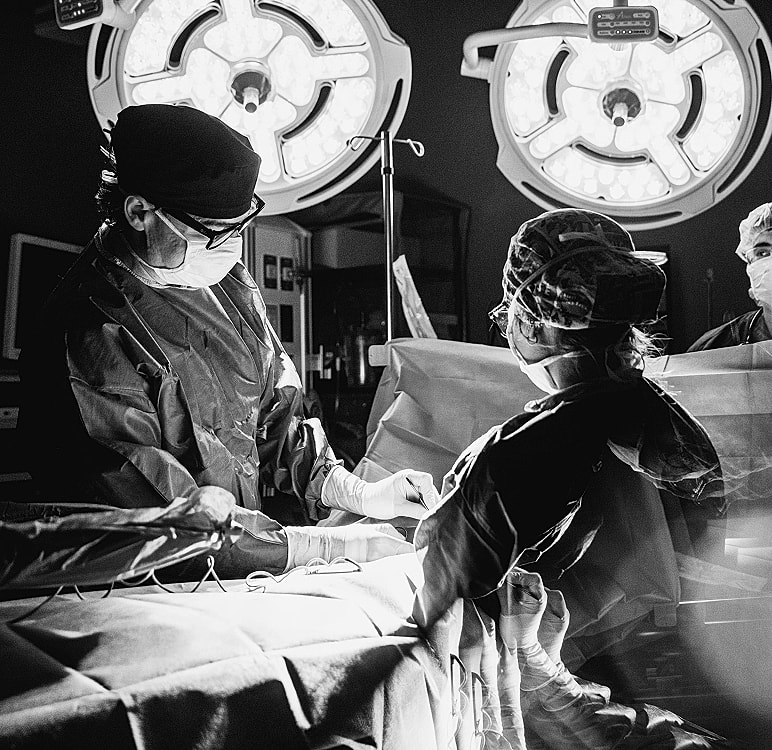
Awake plastic surgery refers to select cosmetic surgery procedures performed with local anesthesia, sometimes paired with oral analgesics or laughing gas, while the patient remains conscious. The treatment area is numbed so the patient can remain awake without being completely unconscious under general anesthesia.
The word “awake” can be misleading. An awake patient is made as comfortable as possible during surgery without being unconscious. This first involves application of topical anesthesia followed by the injection of numbing medication and tumescent solution (a mix of lidocaine for numbing and epinephrine to constrict blood vessels). Most Tucson Awake Plastic Surgery patients feel pressure, vibration, tugging, or a heavy sensation once the local anesthetic has taken effect.
The significant safety advantage of awake procedures is the real-time feedback from patients, when areas that are not intended to be treated, patients experience pain, which is invaluable in preventing such significant complications as fat embolism. Awake procedures, such as a BBL, significantly increase the safety profile of the procedure, which is our primary goal and highest priority.
Motivated patients who would like to avoid the risks and side effects of general anesthesia and understand the procedural steps and limitations that may require more than one treatment session.
Reduce and eliminate risks associated with general anesthesia. BBL and liposuction cases performed under local anesthesia offer a significant reduction in complications such as fat embolism and blood clots.
Local anesthesia, tumescent solution (a mix of lidocaine for numbing and epinephrine to constrict blood vessels), oral analgesia, or inhaled nitrous oxide.
Eyelid surgery, liposuction, fat transfer, select BBL cases, revision body contouring surgery.
Patients remain awake and comfortable.
Pressure, movement, vibration, tugging, or deep aching.
Depends on the surgery performed and usually parallels the procedures performed under general anesthesia.
Awake procedures may lower anesthesia-related fees.

Awake procedures are best suited to surgeries where the treatment area can be numbed well, the surgical time can be controlled, and the patient can remain calm. Dr. Rough may offer the following awake plastic surgery options in Tucson.
Upper eyelid surgery is a common awake procedure because the treatment area is small and direct. Dr. Rough numbs the upper eyelids before removing or adjusting skin and tissue. Patients may feel pressure near the eye, but they should not feel sharp pain.
An awake BBL requires careful judgment. BBL surgery involves fat removal, fat processing, and fat transfer. Dr. Rough evaluates stubborn fat, donor areas, transfer goals, blood vessels, patient comfort, and safety limits before offering an awake approach. Some patients are better served with a different anesthesia plan.

Revision liposuction of areas such as the abdomen, back, and chin can address specific pockets of fat, contour irregularities, or uneven areas from prior surgery. Awake liposuction uses local anesthesia and a tumescent solution to numb the tissue and reduce bleeding. Dr. Rough utilizes cutting-edge technology, such as VASER and MicroAire power-assisted liposuction, to help break up scar tissue from prior surgery. Contour correction may be achieved by employing technologies such as Quantum RF, BodyTite, and facetite that are well tolerated and preferably performed under local anesthesia. Each patient is carefully assessed for suitability and candidacy for awake plastic surgery.

Some revision tummy tuck surgery procedures can be performed awake, especially when the correction involves scar refinement, focused skin removal, or limited contour adjustment. Dr. Rough uses the most technologically advanced tools (VASER liposuction, Microaire power-assisted liposuction, Quantum RF, Morpheus 8, BodyTite, and FaceTite) to assist in the achievement of the desired outcomes and goals without undergoing extensive surgery, which in fact is the preferred technique in appropriately selected cases. Larger revisions, deep muscle repair, and longer operations may require general anesthesia. Dr. Rough offers a detailed approach, in a comfortable and compassionate manner, explaining the rationale and reasoning in selecting the best technique for the best outcome possible.

Awake fat transfer to the breasts may appeal to patients searching for awake breast augmentation without implants. Dr. Rough removes fat from one area, prepares it, and transfers it into the breasts for a subtle increase in volume. Fat transfer has limits. It works best for patients who want a modest change and have enough donor fat.

Facial fat transfer can restore soft volume in areas such as the cheeks, temples, under-eyes, and folds around the mouth. Since the treatment area is focused, some patients can remain awake with local anesthesia and oral analgesics.

Awake brachioplasty may be an option for select arm lift patients. Incision length, skin laxity, arm size, medical conditions, and patient anxiety all factor into the treatment plan. The best candidates are those with mild to moderate skin laxity and fat deposits that may also be amenable to treatment with minimally invasive techniques, such as Quantum RF and BodyTite. If the surgery is too extensive, Dr. Rough will recommend a different anesthesia option.

Many patients ask about awake surgery because they feel uneasy about general anesthesia. Some have had adverse reactions in the past. Others want fewer drugs, less grogginess, reduced postoperative nausea, or lower costs from fewer anesthesia-related fees.
Awake surgery can also allow immediate feedback during select cosmetic procedures. A patient may be able to provide feedback about position, comfort, or contour during surgery. The surgeon still leads the plan. Patient feedback is a useful tool, not the steering wheel.
For some patients in Tucson awake plastic surgery may reduce risks linked to general anesthesia, including respiratory complications. Patients with certain medical conditions may benefit from avoiding deeper anesthesia, but this requires a qualified surgeon and a full review of their medical history. Heart disease, breathing concerns, medication reactions, and anxiety all need direct discussion before surgery.
Awake Surgery | Awake Surgery | General Anesthesia |
|---|---|---|
| Awareness | Patients remain awake or lightly sedated | Patients are completely unconscious |
| Medication | Local anesthetic with possible oral sedation and analgesics | Full-body anesthesia medications |
| Best Use | Smaller or focused cosmetic procedures | Extensive procedures and longer surgery |
| Comfort | Patients may feel pressure or movement | Patients do not feel or remember surgery |
| Recovery Feel | Less grogginess for many patients, short recuperative phase | More nausea or fogginess for some patients with a longer recovery phase |
| Cost | May be more cost-effective | Includes anesthesia provider fees |
| Planning | Requires patient comfort with awareness, ease of patient positioning, real-time patient input, and simpler preoperative preparation | Better for patients who do not want awareness, no patient input |
Most cosmetic procedures require a custom anesthesia discussion. Awake plastic can offer real advantages, but general anesthesia is still the better choice for some patients and some surgeries.
A good candidate for awake plastic surgery is healthy enough for surgery, comfortable with the idea of being conscious, and seeking a procedure that can be completed with local anesthesia in a reasonable treatment time.
You may be a candidate if you want focused cosmetic surgery, can remain awake without panic, understand the sensation of pressure, and have realistic aesthetic goals. Many Tucson Awake Plastic Surgery patients who choose awake procedures want a shorter anesthesia recovery and a more cost-effective plan.
Awake plastic surgery may not be appropriate if you have severe patient anxiety, need extensive procedures, have complex medical conditions, or require a level of correction that calls for general anesthesia. Dr. Rough will review your health history, prior procedures, medications, and specific concerns before making a recommendation.
Your first Awake Plastic Surgery consultation sets the plan. Dr. Rough reviews your medical history, aesthetic goals, prior surgery, treatment area, and comfort with remaining awake. He also explains your anesthesia options so you know what the procedure may feel like.
Before surgery, the treatment area is marked. For body contouring or fat transfer, markings may be made while you stand so Dr. Rough can assess shape, skin position, and contour.
Local anesthesia is then placed into the treatment area. For awake liposuction, Dr. Rough will use a tumescent solution to numb tissue, reduce bleeding, and help separate fat for removal. Once the area is numb, surgery begins.
During the procedure, you may feel pressure, movement, vibration, or pulling. You should not feel sharp pain. If discomfort rises, the team can pause and adjust the plan.
After surgery, the team monitors you before discharge. Following Awake Plastic Surgery Tucson patients may go home after a short observation period, though they still need a responsible adult to drive them.
Awake surgery feels different from a standard office treatment, but it is still surgery.
Eyelid surgery may feel like pressure near the eye. Awake liposuction can feel like firm movement under the skin. Fat transfer can create tightness in the donor area and the area receiving fat. Brachioplasty and revision tummy tuck work can feel heavy once the tissue is numb.
The best description is pressure without sharpness. Your comfort is planned from the start.
Awake Plastic Surgery recovery depends on the procedure, not the fact that you stayed awake. Avoiding general anesthesia may help patients feel more alert after surgery and may reduce postoperative nausea. It does not erase swelling, bruising, soreness, compression garments, incision care, or activity limits.
Smaller awake procedures, such as upper eyelid surgery or facial fat transfer, may allow a return to light routines within several days. Body procedures, awake liposuction, BBL, revision tummy tuck, and brachioplasty need more time because the tissue work is deeper.
Some patients hear “awake” and assume “easy recovery.” That’s the wrong read. Awake surgery can reduce the anesthesia burden, but the body still has to heal.
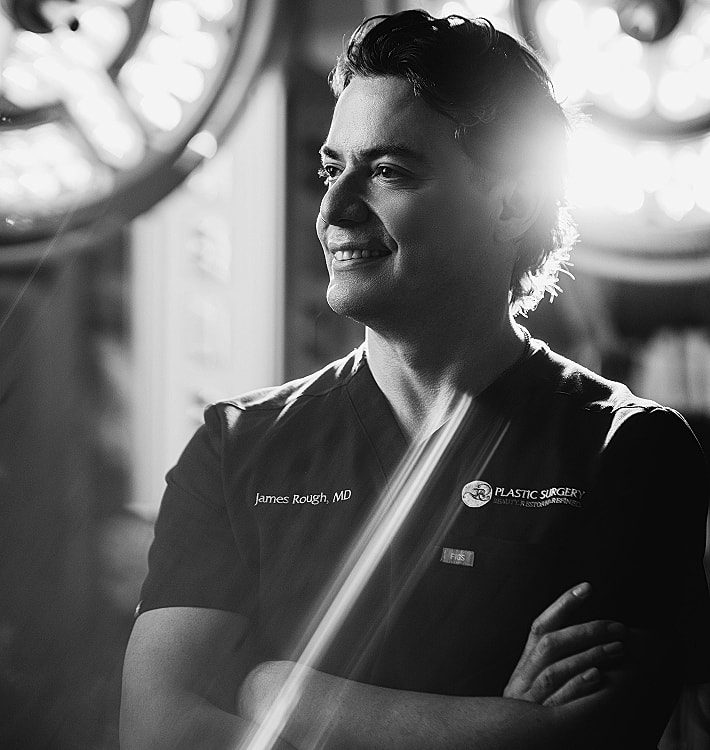
Dr. James Rough is a board-certified plastic surgeon in Tucson with training in plastic and reconstructive surgery. His background gives him a strong understanding of tissue handling, healing, blood vessels, body contouring, and revision surgery.
Awake plastic surgery requires restraint. The surgeon has to know when local anesthesia supports the procedure and when it creates poor limits. Dr. Rough’s goal is precise results, patient comfort, and natural results without forcing a patient into the wrong anesthesia plan.
Patients comparing awake plastic surgery in Tucson should choose a board-certified plastic surgeon who can explain the benefits, risks, and backup options with no sales pitch.
Awake plastic surgery starts with judgment. Schedule a consultation with Dr. James Rough in Tucson to review your goals, talk through anesthesia options, and decide if an awake approach fits your procedure.
Awake plastic surgery is generally safe for select patients when performed by a board-certified plastic surgeon in the right setting. Safety depends on the procedure, medical history, anesthesia plan, and surgeon experience.
Awake surgery should not feel sharp. Patients may feel pressure, tugging, vibration, or tightness. Local anesthesia numbs the treatment area, and light sedation may help reduce anxiety.
Some patients use “awake breast augmentation” to describe awake fat transfer to the breasts. Implant breast augmentation may need a different anesthesia plan. Dr. Rough will explain the best option during your consultation.
Awake liposuction can treat specific pockets of stubborn fat in select patients. It is best for focused contouring rather than large-volume fat removal.
You may feel clearer sooner because you avoided general anesthesia, but tissue healing follows the procedure. Swelling, bruising, and soreness still take time.
Awake Plastic Surgery cost depends on the procedure, treatment area, surgical time, and anesthesia plan. Awake procedures may reduce anesthesia-related fees in some cases.