Facelift
in Tucson, AZ


in Tucson, AZ
A Refreshed, Familiar You
Maybe you’re considering a facelift because your jawline isn’t as defined as before, or loose skin under your chin is bothering you. Most people know what they want to improve, but you may have questions about the amount of change, recovery, and whether you’ll still look like yourself.
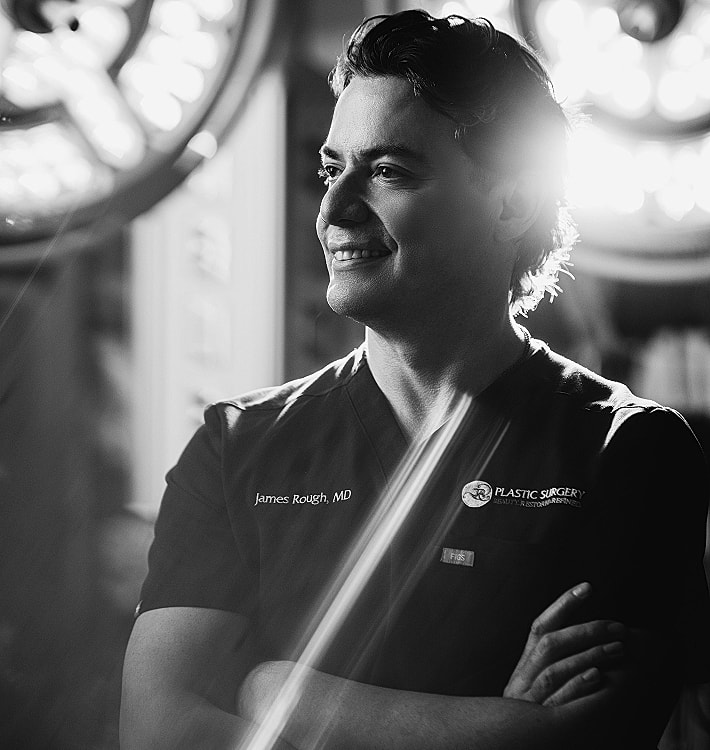
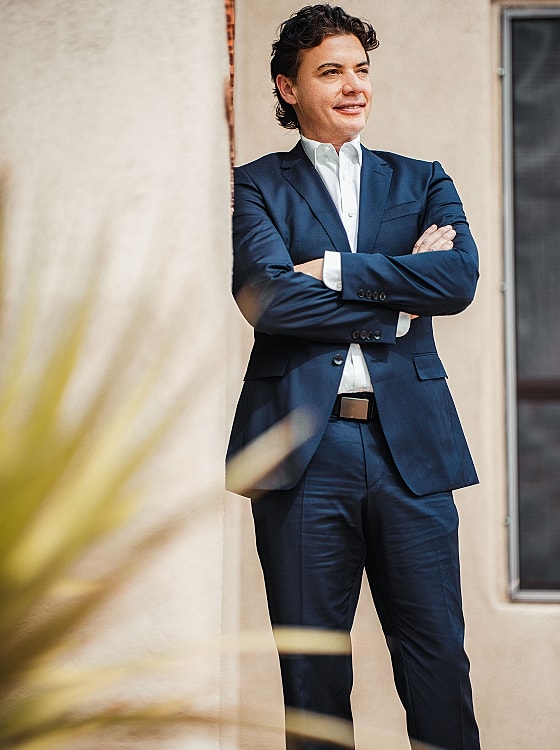
These are important questions to discuss with Dr. James Rough. At his Tucson office, he will ask about your concerns and goals, examine your face, and explain his recommendations. You’ll be able to review options, see Facelift results, and understand what surgery involves before making any decisions.

Understanding the Changes
A facelift, also called rhytidectomy, is a surgical procedure that lifts tissues that have begun to sag and removes excess skin. It mainly treats the cheeks, lower face, and jawline. If you also have loose neck skin or visible neck bands, a neck lift may be part of the same operation.
Facial aging involves more than just the skin. As time passes, your skin loses elasticity, deeper tissues settle, and facial fat can move or decrease. You might see more fullness along your jawline while your cheeks appear less full. A facelift can lift sagging tissue, but you might need another treatment to restore lost volume. Dr. Rough will explain the changes he notices and how they shape his advice.

Choosing the Right Support
The names for facelift types can be confusing since they don’t always mean the same thing. A lower facelift describes the area treated, while SMAS and deep plane refer to how the surgeon works with the tissues under your skin. One surgery can fit more than one category. The key is to understand which areas Dr. Rough will treat and his approach.
Beneath your skin is a layer of supportive tissue called the superficial musculoaponeurotic system, or SMAS. During a SMAS facelift, the surgeon lifts or tightens this layer, then removes excess skin and lays the remaining skin back over it. The incisions usually follow the hairline and curve around the ears. Their length depends on how much access the surgeon needs.
A traditional facelift, or full facelift, can address more widespread sagging than a limited lift. However, “full” does not mean every part of your face is treated. Dr. Rough will explain what the surgery covers, especially if you want to improve both your neck and jawline.
A mid-facelift lifts cheek tissues that have dropped over time. It can improve the position of your cheeks and some folds near your nose and mouth. If your main concern is jowls or loose skin along your jawline, a cheek lift alone might not give you enough improvement in those spots.
In a deep plane facelift, the surgeon releases attachments under the SMAS so deeper tissues and skin move together. This lets the surgeon lift sagging tissues in the cheeks and lower face without just pulling the skin tight to keep them in place.
Both deep plane and SMAS techniques can give natural-looking results. Dr. Rough will explain why he suggests a certain approach for you, what it involves, and the risks. The name of the procedure alone does not tell you everything about the results or how long they last.
A lower facelift targets jowls and loose skin along your jawline. Your neck might also need treatment, especially if you see bands, loose skin, or fullness under your chin. Dr. Rough will examine your face and neck together and explain if neck surgery would help you reach your goals.
Addressing Your Concern
A facelift may help with:
Some concerns need other treatments. A facelift does not fix sun damage, uneven skin tone, or fine lines around your lips. It also doesn't lift your eyebrows or remove extra eyelid skin, eyelid surgery and brow lifts are better suited for treating those areas. At your consultation, you can talk about what matters most to you and whether treating more than one area is appropriate.
Definition That Fits Your Features
A facelift can give you a sharper jawline, lift sagging cheeks, and smooth out folds caused by tissues moving lower. The surgeon first supports the deeper layers, then places the skin over them. The goal is to improve your facial shape while keeping the features that make you look like yourself.
You don’t need to want the same changes as others. Maybe you’re focused on your jowls, or you want to address your cheeks and neck together. Dr. Rough will discuss what surgery can do for each area, as well as the scars, recovery, and risks to consider.
Your Health Comes First
A facelift might be a good option if sagging skin and tissues are your main concern. You also need to be healthy enough for surgery, know what it can and cannot do, and have time and support for recovery. An exam helps Dr. Rough decide if the expected improvement makes surgery worthwhile for you.
Your medical history helps Dr. Rough plan your care safely. Let him know about any past facial surgery or injectables, healing problems, and all medicines and supplements you use. Smoking, nicotine, and uncontrolled health issues can raise surgical risks, so you may need to address these first. If you mostly want to soften lines or restore some volume, a non-surgical treatment might be a better first step.

At your exam, Dr. Rough will check how much change is due to loose skin, sagging tissue, or lost volume. He will then explain his recommendations, where incisions would go, and what recovery involves. Bring your questions. Photos can help you show what you like, but remember your results depend on your own features.
Once you’ve decided on Facelift surgery, you’ll need to:
Natural-Looking Refinement
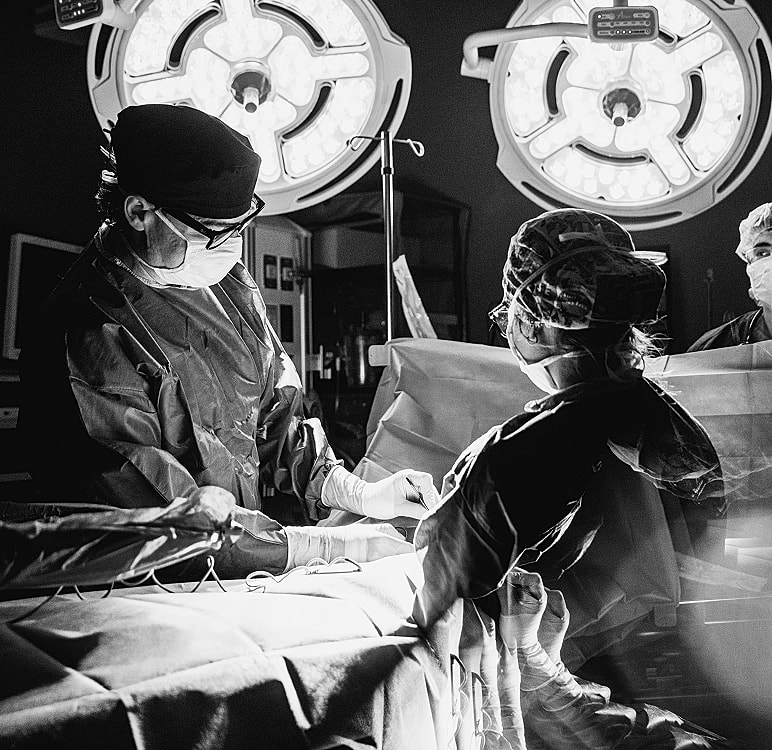
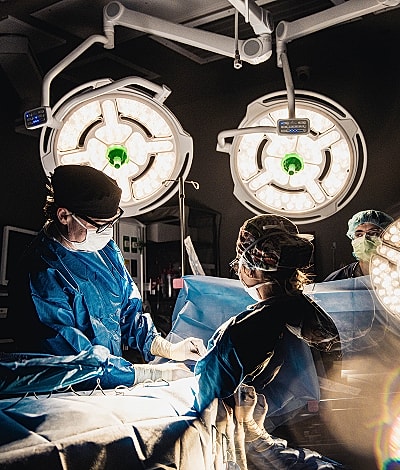
Your operation will depend on the type of lift and any other procedures you’re having. The main steps are:
After surgery, the team will watch you as you wake up from anesthesia and explain how to care for yourself at home. Before your surgery, you’ll review where the procedure will happen, how long it might take, and what help you’ll need afterward.
Give Healing Its Time
Expect bruising, swelling, and some time away from your usual routine. Many patients feel ready for desk work or social plans in about two to three weeks. You’ll still be healing at that point. A more extensive lift, additional procedures, or slower healing may mean you need longer, so leave room in your schedule.
Following a Facelift Tucson patients may feel tight, sore, or numb. Bruising and swelling are often most noticeable during the first few days, and you may need help looking after dressings or drains. Take medicines and care for your incisions as your team directs. They’ll also explain how to keep your head elevated and when to come back. Use ice, heat, or pressure on healing areas only if your surgeon specifically tells you to.
You should start to see bruising and swelling improve, although your face may still feel puffy or unfamiliar. Your team will guide you on driving, makeup, exercise, and returning to work. The demands of your day matter: sitting at a desk is different from lifting at work or spending hours on your feet. Give yourself extra time before an important event or photographs.
Over the next two to three months, swelling continues to settle, and your facial contours become easier to judge. Some numbness or changes in how your skin feels can take longer to improve, and scars will keep maturing. Keep your follow-up appointments even if you feel well. They give your team a chance to check your progress and tell you when you can do more.
Call your surgical team promptly if swelling increases quickly, pain gets worse, you develop a fever, or an incision looks concerning. Seek emergency medical care for chest pain or difficulty breathing.
Results That Settle Naturally
You’ll get a better sense of your result as the bruising fades and swelling goes down. Your face will continue to settle after you’re back at work and seeing friends, and your scars will take longer to mature. When looking at before-and-after photos, check when the “after” picture was taken. A result at a few weeks can look different from one several months later.
The improvement can last for years, sometimes a decade or longer. Your face will continue to age, and weight changes, sun exposure, and skin quality can affect how it looks over time. Plan for shade and sun protection during your recovery in Tucson, and follow your surgeon’s advice about when to use sunscreen on healing skin. You can discuss future treatments if new concerns arise. There’s no fixed date when everyone needs another lift.

Expertise With Attentive Care
Dr. James Rough is certified by the American Board of Plastic Surgery. He completed his plastic surgery residency at UCLA and stayed for a microsurgery fellowship. His practice includes facial plastic surgery and reconstructive surgery. He pays close attention to facial anatomy and proportions when planning treatment.
He also makes time to listen. You can explain what bothers you, what you’d like to preserve, and what worries you about surgery. He’ll talk through the options and help you understand his recommendation. Dr. Rough speaks English and Spanish, so you can discuss your care in the language you prefer.
1 of 5
The Thoughtful Care You Deserve
You can use your Facelift consultation to work through the questions that matter to you: what a facelift could change, whether you need neck treatment, and how recovery would fit into your life. Dr. Rough will explain your options and help you decide what feels right for you. Contact our Tucson office to schedule your visit.
The Facelift cost depends on how much surgery you need, the anesthesia and facility fees, and whether you’re combining procedures. Dr. Rough can discuss an estimate once you’ve agreed on a plan. Make sure you understand what the total includes, especially follow-up care. We also offer financing options. The financing provider can explain eligibility, interest, and repayment terms.
The right surgical technique depends on where your tissues have started to sag, how much loose skin you have, your bone structure, and any previous treatments. Dr. Rough will explain how those findings affect his recommendation. You should understand which areas the operation would improve, what it might leave unchanged, and why he favors that approach for you.
It depends on what you want to change. BOTOX® softens dynamic wrinkles, the lines that form with facial expressions, and dermal fillers add volume. Those treatments can help with specific concerns, but they don’t remove loose skin or lift sagging tissues the way surgery can. Dr. Rough can explain whether surgery, a less invasive treatment, or waiting would best suit what you’re hoping to achieve.
No. A facelift mainly treats the cheeks and lower face. Upper eyelid surgery removes excess skin from the upper lids, while lower eyelid surgery can address selected concerns beneath the eyes. If you’re interested in both, Dr. Rough can discuss whether to combine the procedures or plan them separately.
Both work with the support layer beneath your skin. In a SMAS lift, the surgeon may tighten or lift that layer in different ways. A deep plane facelift includes releasing deeper attachments so the tissues can move. Dr. Rough can explain what he plans to do and why it suits your face. Either approach has benefits and risks.
Many patients allow two to three weeks before returning to social plans. You may still have some swelling after that. Tell Dr. Rough about any weddings, travel, or other important dates before scheduling surgery. You might feel ready for a casual outing before you feel ready for close-up photos, so give yourself some flexibility.
Sometimes. A facelift can be combined with eyelid surgery, a brow lift, neck treatment, or fat transfer, also called fat grafting, to restore volume. Dr. Rough will discuss what each addition would accomplish. Doing more at once can change the length of surgery, cost, and recovery. Your health and goals will help determine whether to combine procedures or space them out.
Possible complications include bleeding or a collection of blood beneath the skin, called a hematoma; infection; anesthesia problems; slow healing or skin loss; noticeable scars; uneven results; hair loss near the incisions; and changes in sensation. Facial nerve injury can cause temporary or permanent weakness. Dr. Rough will discuss your risks and how the team would manage a complication. Surgery always carries some risk.
There isn’t one age that’s right for everyone. What matters is how your face has changed, your health, and what you want to improve. Two people the same age may need very different advice. Dr. Rough can help you decide whether a lift would be useful now or whether another option makes more sense.
It may, but “mini facelift” means different things to different surgeons. A smaller incision doesn’t tell you how much work happens beneath the skin or how quickly you’ll heal. Before choosing a limited lift, make sure you understand which areas it treats and whether it can give you enough improvement.
Yes, any incision leaves a scar. Surgeons place facelift incisions around the ears and hairline to make them less noticeable, and most scars fade as they mature. How you heal and where the incisions need to go will affect their appearance. Let Dr. Rough know about previous scars, how you wear your hair, or any concerns about beard growth around the incisions.