Facial Fat Transfer
Tucson, AZ

As we age, our faces can change shape even before loose skin appears. You might notice hollow temples, flatter cheeks, deeper shadows under your eyes, or more pronounced folds, all due to volume loss. Facial fat transfer uses your own fat to restore volume where it matters most. At James Rough, M.D. Plastic Surgery in Tucson, Dr. James Rough, a board-certified plastic surgeon, carefully harvests and transfers fat while considering your natural facial structure.

Facial fat transfer is a surgery that takes fat from one part of your body and moves it to your face. The fat is gently removed with liposuction, then processed and injected in small amounts where you need more volume. Since the fat comes from your own body, no synthetic fillers are used. The aim is not just to make your face look fuller. Dr. Rough focuses on restoring shape and support where needed, making sure the results look natural and balanced with your features.
Aging changes more than just your skin. The fat in your face can shrink, and the structures underneath can shift, making your cheeks, temples, and the area around your eyes look hollow. Losing a lot of weight can cause similar changes. When your face loses support, wrinkles and folds, like the lines from your nose to your mouth, can look deeper. Restoring volume can help soften these changes if volume loss is the cause.
When Volume Loss Is the Problem
Facial fat transfer may improve:
The best treatment depends on whether your concerns are due to lost volume, loose skin, sagging tissue, or a mix of these factors.
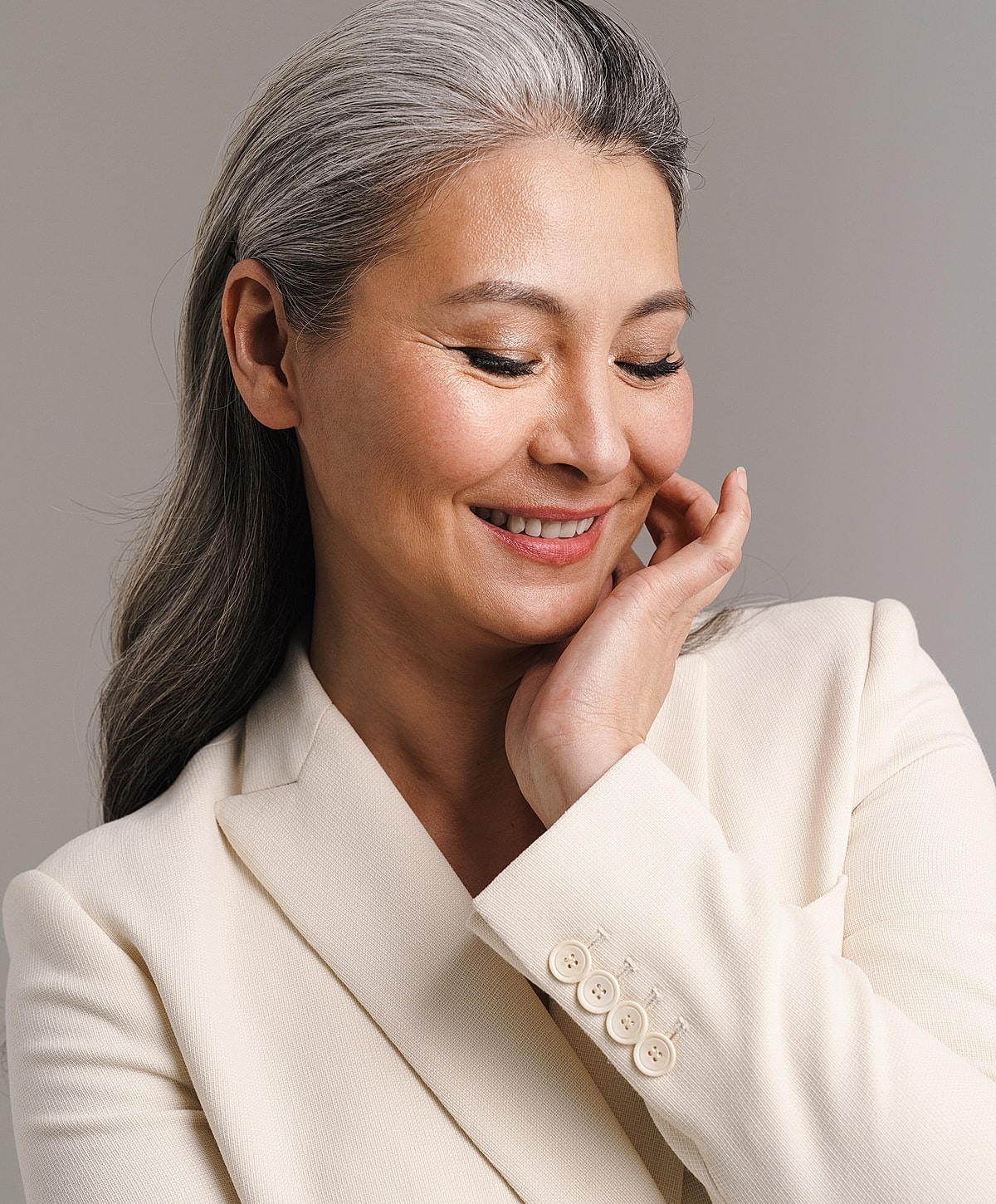
Dr. Rough may use fat transfer in the temples, cheeks, under-eye area, lips, chin, jawline, or around folds beside the nose and mouth.
Adding volume can help fill in hollow temples and support the middle of your face, without making your cheeks look too full.
Fat transfer can help with some under-eye hollows, but this area is delicate. If you have eyelid bags or extra skin, eyelid surgery might be a better option.
A small amount of fat can gently add volume to your lips or smooth out the lower face and jawline.
From Donor Area to Facial Contour
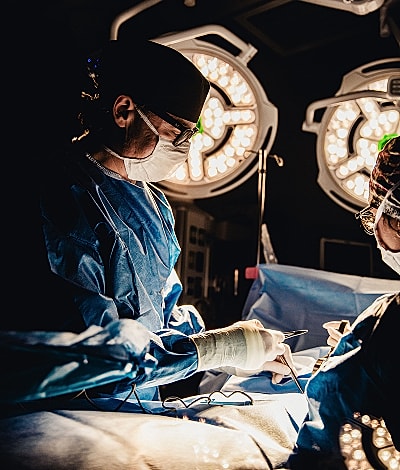
The procedure has three main phases: harvesting, processing, and injection. First, fat is harvested with liposuction from an area such as the abdomen, flanks, or thighs. Only a modest amount is typically needed for facial treatment. After the fat is collected, it is processed to keep only the healthy fat cells. Dr. Rough then uses small syringes and thin tubes to carefully place the fat in the right spots and depths for a smooth, natural look.
Controlled Handling With the Tulip System
Dr. Rough uses the Tulip system for facial fat transfer. The Tulip Soft Harvest System uses closed, syringe-based instrumentation designed to harvest, process, and transfer a patient’s own fat. This system lets Dr. Rough carefully handle the small amounts of fat needed for facial grafting. Still, technology is just one part of the process. Where the fat is placed, your facial structure, tissue quality, and the surgeon’s skill all affect the final result.
Why Some Patients Choose Fat
Potential benefits include:
Fat is taken from the donor area using liposuction. While this can slightly shape the body, the main goal is to improve facial volume, not body contouring.

Two Ways to Restore Volume
Fat transfer and dermal fillers both restore facial volume, but they serve different purposes. Fillers don’t need liposuction, usually have a shorter recovery, and are good for small, precise changes. They are temporary, and how long they last depends on the product and area treated.
Fat transfer is a surgery and usually causes more swelling and bruising, but it can treat several areas at once. The fat cells that survive can last for years. Some of the injected fat is naturally absorbed by the body, so the initial fullness will decrease as you heal.
If you’re choosing between fat transfer and fillers, a consultation can help you understand how much volume you need, what kind of recovery to expect, and which treatment best fits your goals.
Knowing What Volume Cannot Fix
Fat transfer adds volume to your face. It does not remove loose skin or lift facial tissues that have sagged with age. If sagging in your cheeks, jawline, neck, brows, or eyelids is your main concern, Dr. Rough may recommend a facelift, brow lift, eyelid surgery, or another procedure instead of just fat transfer. Keep in mind that aging will continue after any treatment.
You might be a good candidate if you have lost facial volume or have uneven features, have enough fat to use, keep a stable weight, and have realistic expectations about how much fat will stay and what results to expect.
Dr. Rough will also look at your medical history, whether you use nicotine, any past procedures, your skin’s looseness, and your treatment goals. If you’re not sure what’s causing the changes in your face, the consultation lets him examine you and explain which options are best for you.
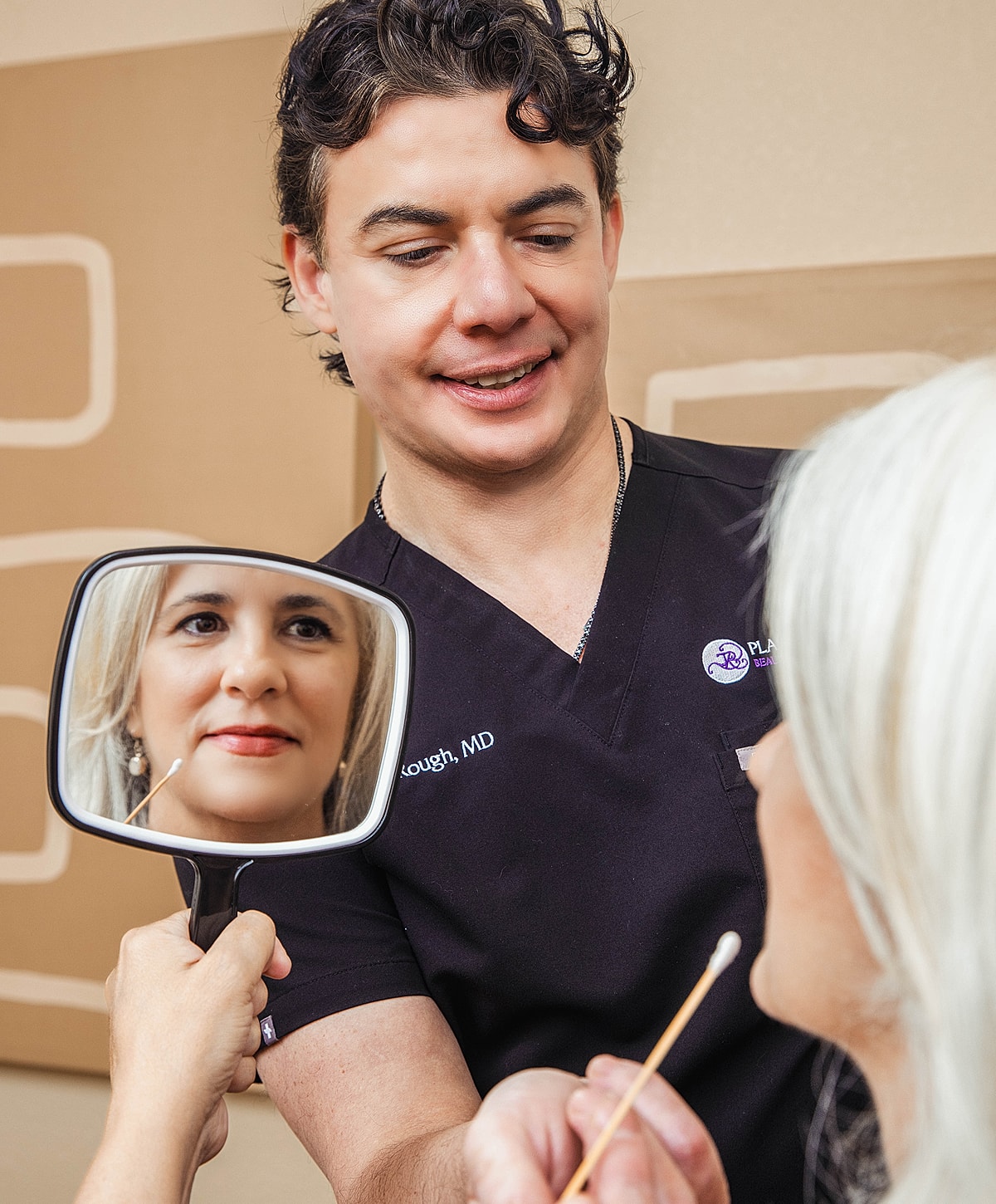
You can expect swelling and bruising, especially in the first few days. These usually get better over one to two weeks, but recovery time can vary. The area where fat was taken may also feel sore after liposuction.
It takes longer for everything to fully settle than just the first stage of recovery. Dr. Rough will tell you what activities to avoid, how to care for the donor area, and how to protect the injected fat while you heal. You should also keep new incisions out of the sun, which is especially important in Arizona.
Understanding Fat Survival
Not all of the fat that is injected will stay. Your body naturally absorbs some of the transferred fat as you heal. Fat cells that connect to a healthy blood supply can last as living tissue. Since results vary for each person and area, it’s best not to judge the outcome in the first few weeks. Sometimes, another fat transfer is needed if you want more volume after healing.
Results That Develop Gradually
As swelling goes down and your body absorbs some fat, your face will slowly take on its long-term shape. The fat cells that remain can keep your face fuller for years. Aging will still happen, and big changes in your weight can affect the transferred fat. Dr. Rough aims for results that look smooth and natural, restoring support without making your face look too full.
Understanding the Risks
Potential risks include bruising, infection, bleeding, prolonged swelling, asymmetry, uneven fat distribution, undercorrection or overcorrection, contour irregularities, fat necrosis, scars, donor-site irregularities, and the possible need for additional treatment. Anesthesia or sedation, when used, has its own risks. Your personal risk depends on your health, which areas are treated, and the type of procedure. Dr. Rough will go over these details with you before recommending surgery.
Restoring Volume Alongside Other Changes
Yes, fat transfer can be done by itself or combined with other facial procedures for a more complete rejuvenation. A facelift can lift loose tissues, while fat transfer adds volume. Eyelid surgery can remove extra skin or bags, and fat transfer can fill in nearby hollows. If your brow position is the main issue, a brow lift might be a better choice than fat transfer. Dermal fillers and skin treatments may also be better alternatives for selected concerns.
Dr. James Rough is certified by the American Board of Plastic Surgery and completed his plastic surgery residency at UCLA, followed by additional fellowship training in microsurgery. His aesthetic and reconstructive background gives him a detailed understanding of tissue handling, blood supply, healing, and facial balance.
For facial fat transfer, he uses his knowledge of anatomy along with the Tulip system and a careful approach to adding volume. He will also let you know if fat transfer isn’t the best option and if fillers, surgery, or waiting would be better for you.
The Thoughtful Care You Deserve
You don’t have to choose between fat transfer, fillers, or surgery before your appointment. At your consultation, Dr. Rough will look at the areas you’re concerned about, figure out what’s causing the changes, and explain which options fit your needs and goals.
You’ll also find out where fat can be taken from, what recovery will be like, what risks you might face, and what results are realistic. If another treatment or no procedure is better for you, Dr. Rough will let you know during your consultation.
Cost depends on the areas treated, amount of fat grafting needed, anesthesia and facility needs, and whether another procedure is included. Dr. Rough’s team can provide a personalized estimate after your plan is established.
Fat is commonly harvested from the abdomen, flanks, thighs, or another area with enough donor tissue. Facial treatment usually requires much less fat than larger body fat transfer procedures.
Some fat is naturally reabsorbed during healing, and survival varies between patients and treatment areas. The final volume becomes clearer after swelling resolves and the graft settles.
Not necessarily. Some patients may consider additional grafting if more volume is desired after healing or if less fat survives in a particular area.
Transferred fat behaves like fat elsewhere in the body. Significant weight changes can alter its volume, so maintaining a stable weight helps preserve results.
Small access points are needed to harvest and transfer fat. These usually create small scars, although any incision can leave some degree of visible scarring.