Diep Flap Reconstruction
in Tucson, AZ

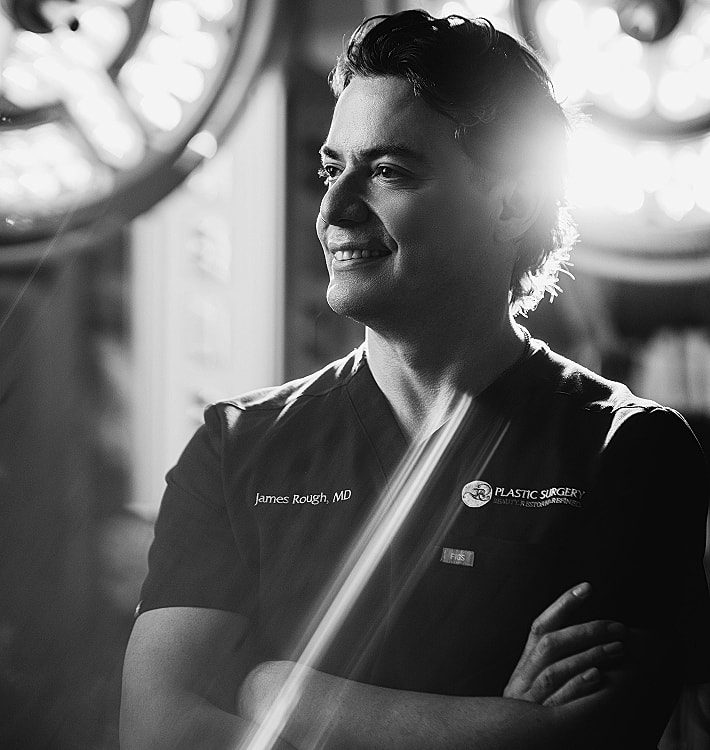
The DIEP flap procedure is one of the most advanced breast reconstruction techniques available today. It uses your own tissue to create a natural breast while preserving abdominal muscles, offering both aesthetic and functional benefits. Dr. James Rough specializes in DIEP flap breast reconstruction in Tucson. With advanced fellowship training in microsurgery, he performs this highly intricate flap surgery with precision and care. His approach prioritizes not only the technical success of the reconstruction but also the long-term comfort, safety, and confidence of his patients.

DIEP flap breast reconstruction is a type of free flap reconstruction where a surgeon transfers skin, fat, and blood vessels from the lower abdomen to the chest wall to form a new breast mound. DIEP stands for deep inferior epigastric perforator, which refers to the tiny blood vessels that supply the transferred tissue.
Unlike older flap procedures, the DIEP flap preserves the rectus abdominis muscle. This helps reduce the risk of abdominal wall weakness and allows for a quicker recovery. Many breast cancer patients choose this method because it creates a natural breast from their own tissue rather than relying solely on breast implants.

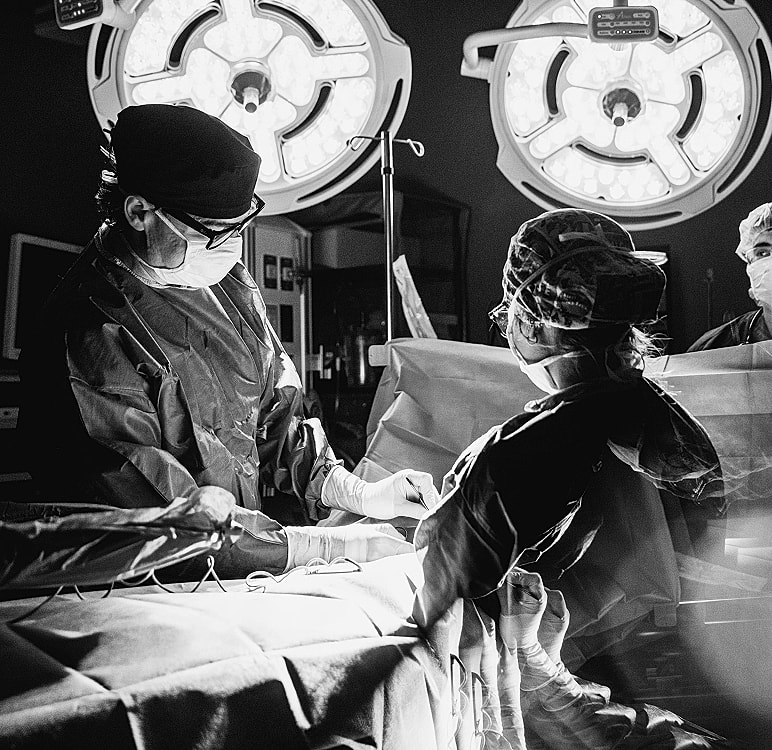
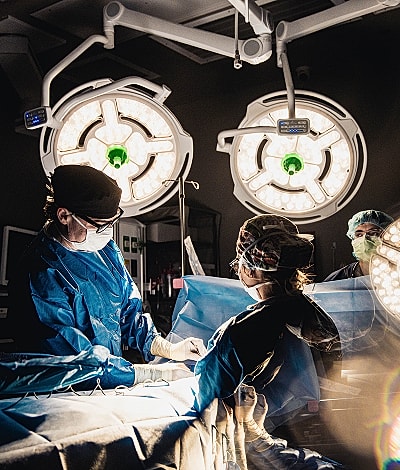
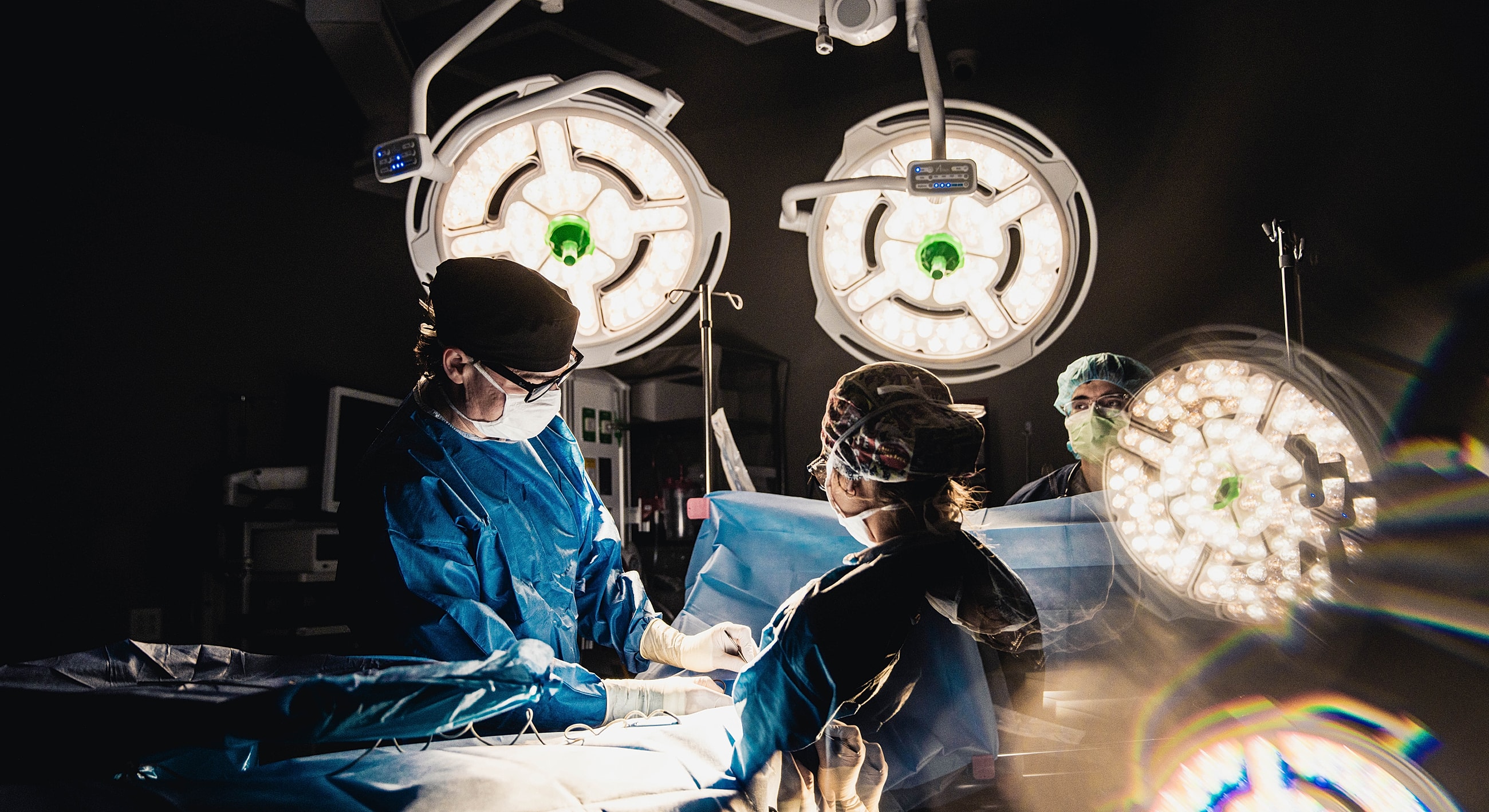
DIEP flap surgery is a complex procedure performed by highly trained plastic surgeons like Dr. James. In a DIEP flap procedure, Dr. James makes an abdominal incision low on the stomach, similar to a tummy tuck, and carefully removes excess skin and fat while preserving the abdominal muscles. Tiny blood vessels from the deep inferior epigastric artery and vein are dissected free.
The surgical team then transfers this tissue flap to the chest wall, where Dr. James reattaches blood vessels under a microscope. This restores blood supply to the flap so it can thrive as a new breast. The abdominal incision is closed, often improving the contour of the lower abdomen.
The DIEP flap procedure typically takes several hours. It can be performed as immediate reconstruction at the time of mastectomy or as delayed reconstruction after breast cancer treatment such as chemotherapy or radiation therapy.
DIEP flap reconstruction is well-suited for patients who want a long-term, natural breast using their own tissue and have enough tissue to be able to donate for the procedure. DIEP flap breast reconstruction is most often performed after:
The DIEP flap procedure is one of the most advanced breast reconstruction methods available, providing women with results that move and age like a natural breast.
Many people choose breast reconstruction with the DIEP flap because it offers:
Certain abdominal surgeries in the past may affect the blood supply and limit candidacy for DIEP flap reconstruction. In those cases, other flap procedures such as SIEA flap, PAP flap from the inner thigh, or latissimus dorsi flap may be recommended. Ideal candidates for DIEP breast reconstruction are women who:
Recovery from DIEP flap surgery usually involves a hospital stay of at least overnight, if not several days. Since it is both breast surgery and abdominal surgery, healing takes time. Patients should avoid strenuous exercise, lifting, or core strain while the abdominal incision and reconstructed breast heal.
Dr. James provides detailed aftercare instructions and ongoing support. Most women return to normal activities within 6–8 weeks, though full healing of scar tissue and abdominal wall strength may take longer.
The results of DIEP flap breast reconstruction are designed to be permanent.
Because the flap uses your own skin and fatty tissue with reattached blood vessels, the reconstructed breast ages naturally with your body. The abdominal incision often results in a flatter lower abdomen, similar to the effect of a tummy tuck. Over time, additional procedures such as nipple reconstruction, fat grafting, or symmetry procedures on the other breast may be performed.
Dr. James Rough is a board-certified plastic surgeon with fellowship training in microsurgery from UCLA, one of the nation’s leading microsurgery programs. His expertise in complex free flap reconstruction allows him to perform DIEP flap surgery with precision, safety, and artistry.
In addition to his specialized training, patients choose Dr. James for his ability to combine advanced technical skill with warmth and compassion. He takes the time to explain breast reconstruction procedures, answer questions, and support patients through every step of their journey.
TRAM flap surgery uses abdominal tissue but sacrifices the rectus abdominis muscle, which can lead to abdominal wall weakness. The DIEP flap preserves abdominal muscles while still providing natural results.
Yes. Immediate reconstruction is possible during breast cancer surgery, though some women may benefit from delayed reconstruction if radiation treatment is planned.
Yes. In fact, flap procedures are often preferred after radiation therapy since autologous tissue heals better than implants in radiated breast skin.
No. The belly button is usually preserved and repositioned during closure of the abdominal incision.
In cases where one flap does not provide enough volume, surgeons may use a stacked DIEP flap procedure, combining tissue from both sides of the lower abdomen for a larger breast.
Other flap procedures such as PAP flap from the inner thigh or SIEA flap may be recommended if there is not enough lower abdominal tissue.
No. DIEP flap reconstruction creates a new breast from your own tissue, but some women may choose implant reconstruction or combination methods depending on goals.
Most women spend several days in the hospital and return to daily activities in 6–8 weeks. Full recovery of abdominal strength may take longer.