Breast Reconstruction With Implants
in Tucson, AZ


Breast reconstruction is about more than replacing what was lost. It’s about helping you feel whole again after a difficult journey. For many women, breast implants provide a safe and straightforward way to restore shape after a mastectomy.
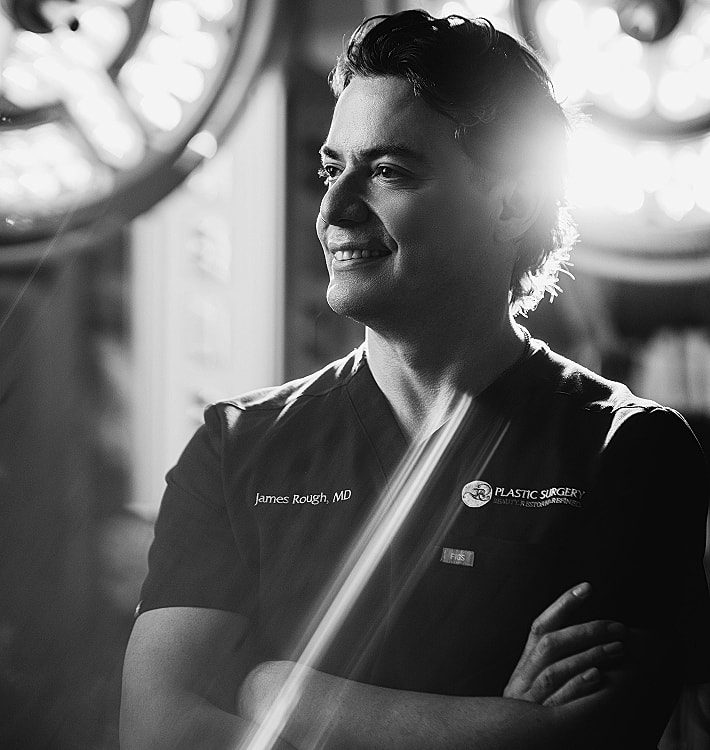
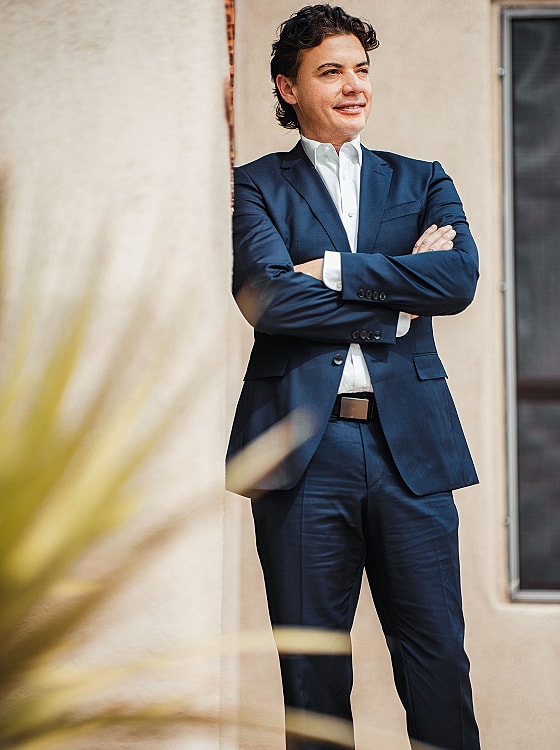
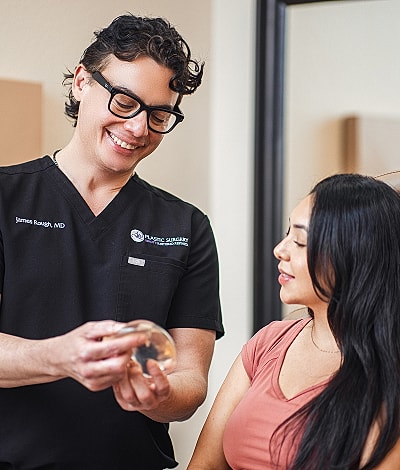
At James Rough, MD Plastic Surgery in Tucson, we approach breast reconstruction surgery with care and precision. Dr. James listens closely to your story, explains every option, and helps you choose the path that feels right for you. Implant breast reconstruction may stand on its own, or it can be combined with techniques like the latissimus flap when more tissue support is needed.

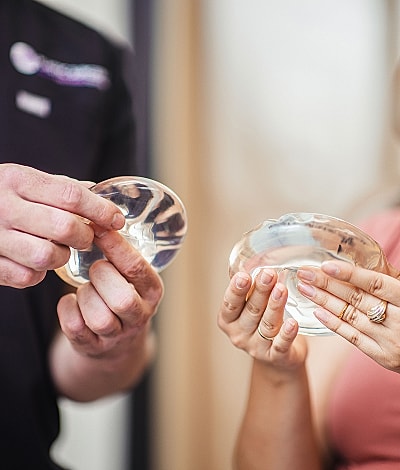
Implant breast reconstruction uses a silicone or saline implant to recreate the breast mound after breast cancer surgery (mastectomy or lumpectomy). For some women, breast implants can be placed right away at the time of mastectomy. In other cases, a tissue expander is used first to gradually stretch the skin and muscle before the final implant is placed.
Sometimes, there isn’t enough healthy breast tissue to cover and support an implant. In such cases, Dr. James may utilize the latissimus flap technique, which involves relocating a small section of muscle, skin, and fat from the back to the chest. This adds natural coverage over the implant and improves long-term results.

Reconstructive breast surgery may be immediate (done during mastectomy) or delayed (weeks to months afterward). If a tissue expander is used, it’s placed first and gradually filled over time, then later exchanged for a permanent breast implant. If conditions allow, an implant can sometimes be placed, either above or below the chest muscle, right away.
When not enough breast tissue is available and more coverage is needed, the latissimus flap technique may be added. This involves borrowing a section of muscle and skin from the back, rotating it to the chest, and placing the implant beneath. The flap provides healthy tissue to support the implant, especially helpful if radiation has affected the skin.
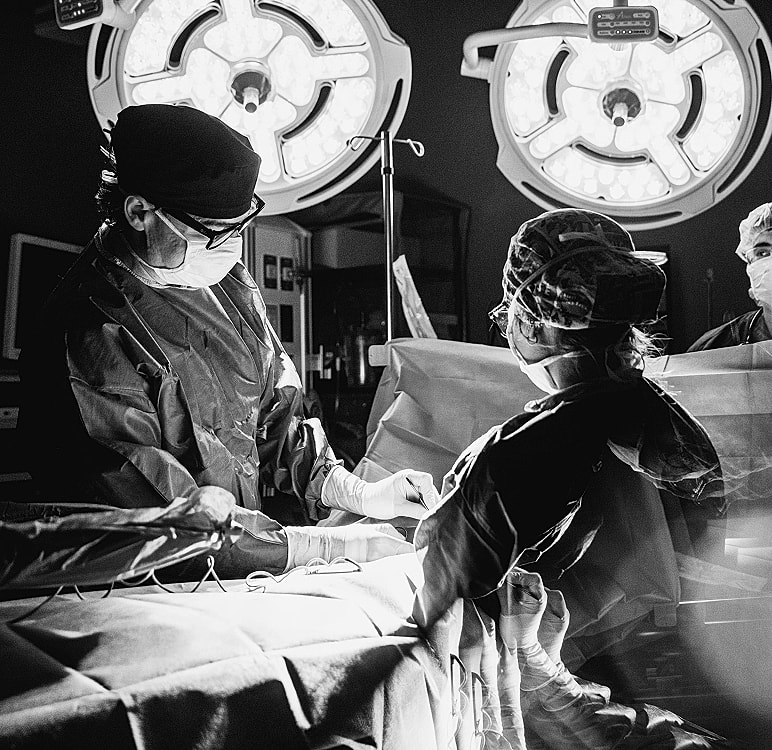
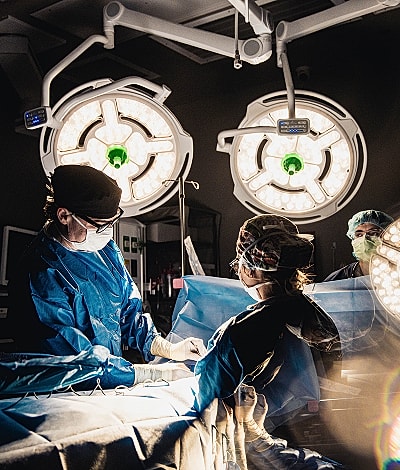
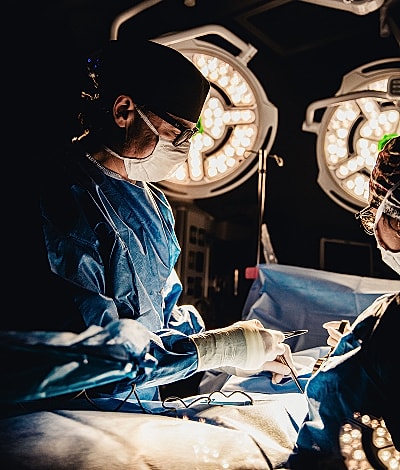
Surgery is performed under general anesthesia. Most patients stay in the hospital for one or two nights, depending on the extent of the procedure.
Breast implant surgery can be performed either at the same time as a mastectomy (immediate reconstruction) or at a later date (delayed breast reconstruction). Immediate reconstruction allows you to wake up from surgery with a breast mound already in place, which many women find emotionally reassuring. Delayed reconstruction may be recommended if additional cancer treatments like radiation are planned, or if more healing time is needed before surgery. Both approaches are safe and effective. Dr. James will walk you through the benefits of each so you can decide which timing fits best with your treatment and recovery.
Implant-based breast reconstruction is ideal for women who:
It is also helpful for women whose skin or tissue quality makes flap reconstruction alone difficult, as implants with latissimus flap support can offer a safe and effective alternative.
This procedure is specific to the chest. The reconstruction focuses on recreating breast volume, projection, and balance with the other breast. In latissimus flap cases, a small donor site on the back is also involved.
Implant reconstruction offers several meaningful benefits:
Whether it’s implants alone or with added flap support, Dr. James creates a personalized breast reconstruction plan that prioritizes safety, durability, and natural-looking results.
Breast implants come in several forms, and the right choice depends on your goals, anatomy, and medical history.
Options include saline implants, which are filled with sterile saltwater, and silicone or cohesive silicone gel breast implants, which feel closer to natural breast tissue. Placement can be above the chest muscle (prepectoral) or beneath it (subpectoral), each with its own advantages for recovery, comfort, and appearance. During your consultation, Dr. James will review these choices in detail to help select the option that best fits you.
You may be a good candidate for implant-based reconstruction if you:
Implant breast reconstruction may not be the best fit if you have had extensive radiation therapy, severe scarring, or medical conditions that limit healing. For these cases, other methods like DIEP flap reconstruction may be recommended.
Recovery depends on whether implants alone are used or combined with a latissimus flap. Most women stay in the hospital for one to two nights, and drains are often placed to reduce swelling.
You can expect:
If a latissimus flap is used, there will also be a small incision on the back that heals with time. Dr. James will provide detailed aftercare instructions and follow-up visits to guide your recovery.

Reconstructed breast results are visible right away, though swelling and healing need time to settle. The final breast shape usually becomes clear within a few months.
With implants, you can expect:
Breast implants are long-lasting but not lifetime devices. Many last 10 years or more before needing revision. If combined with a latissimus flap, the natural tissue provides added durability and coverage.
Reconstruction is personal, and it requires more than technical skill. Dr. James Rough brings advanced microsurgical training from UCLA, board certification, and published expertise in breast surgery. More importantly, he brings a calm, compassionate approach that patients describe as deeply reassuring.
At our Tucson practice, you’ll never feel rushed. Whether implants alone or with a latissimus flap, Dr. James takes the time to explain your choices, answer your questions, and support you through each step. His goal is not just a surgical result—it’s helping you feel whole, comfortable, and confident again.
Yes. It is one of the most common forms of breast reconstruction. Dr. Rough will review the risks and help you understand if implants are the right choice for your situation.
That’s where techniques like the latissimus flap come in. By adding healthy tissue from the back, we can provide better coverage and long-term support for the implant.
Implants are long-lasting, but they may need replacement or revision after 10–15 years. Regular follow-up care helps monitor their condition.
While implants aren’t the same as natural breast tissue, many women find the results look natural, especially in clothing. Fat grafting or flap combinations can improve softness and contour.
Yes. Many women choose nipple reconstruction or areola tattooing as a finishing step, which can add to the natural look of the results.
At our Tucson practice, Dr. James offers several proven options for restoring breast shape after mastectomy. Each approach is tailored to your needs, lifestyle, and recovery goals: