Breast Cancer Reconstruction
In Tucson, AZ


When breast cancer surgery is required, many women want to know how their breast shape and body confidence can be restored. Breast cancer reconstruction is a highly personalized process that rebuilds a breast mound using a variety of breast reconstruction techniques, from implant reconstruction to flap breast reconstruction with your own tissue.
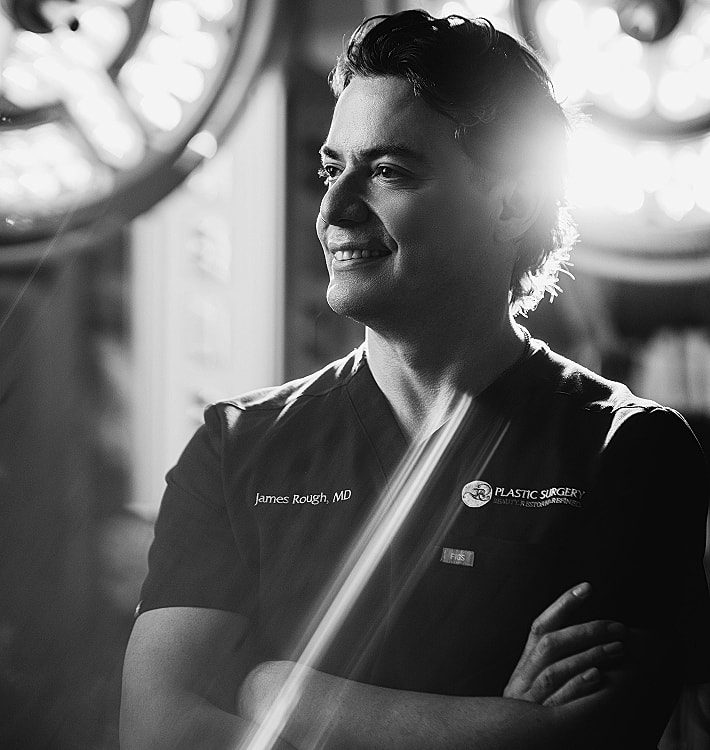
At James Rough, MD Plastic Surgery in Tucson, Dr. James offers advanced oncoplastic reconstructive surgery that balances medical needs with artistry. His approach emphasizes safety, exceptional results, and compassionate care, helping breast cancer patients move forward after cancer treatment with renewed confidence.

Breast cancer reconstruction, sometimes called oncoplastic reconstruction, combines cancer surgery with plastic and reconstructive surgery techniques to restore the breast after tumor removal. Reconstruction surgery may occur after mastectomy, lumpectomy, or nipple sparing mastectomy.
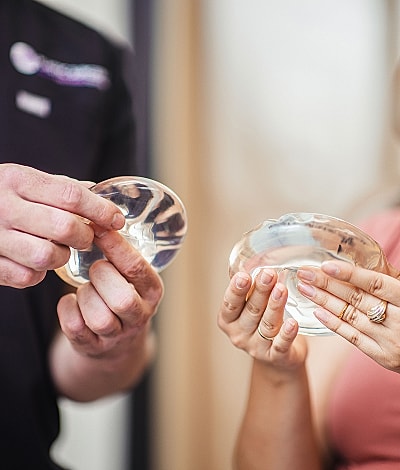
There are several types of breast reconstruction procedures available. These include implant-based breast reconstruction with tissue expanders or silicone breast implants, and flap reconstruction using autologous tissue such as a DIEP flap or TRAM flap. Some women may also benefit from fat grafting, breast reduction surgery, or breast lift techniques to refine breast shape.
The right breast reconstruction method depends on factors like cancer stage, the need for radiation therapy, available donor site tissue, and personal preferences.
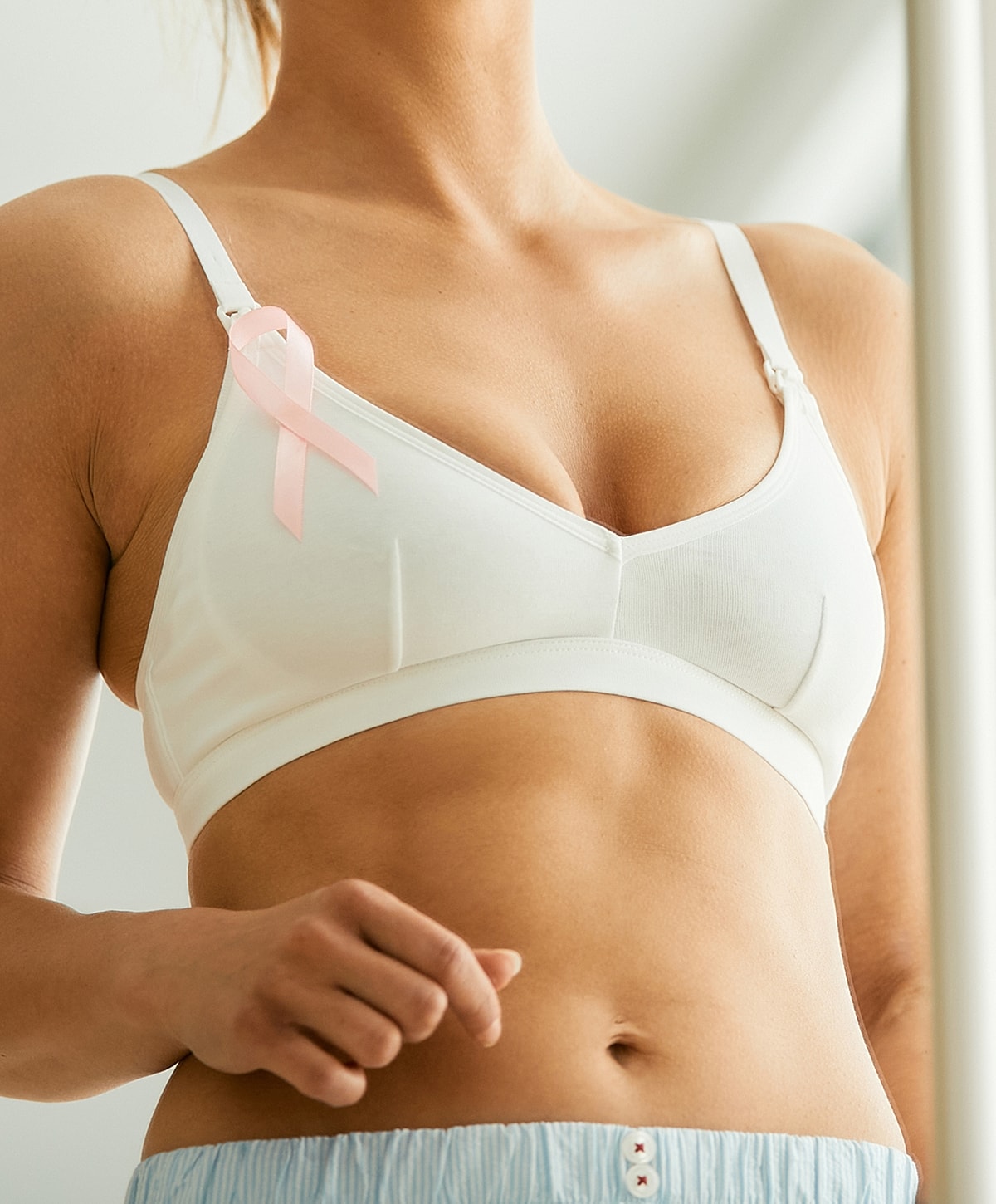
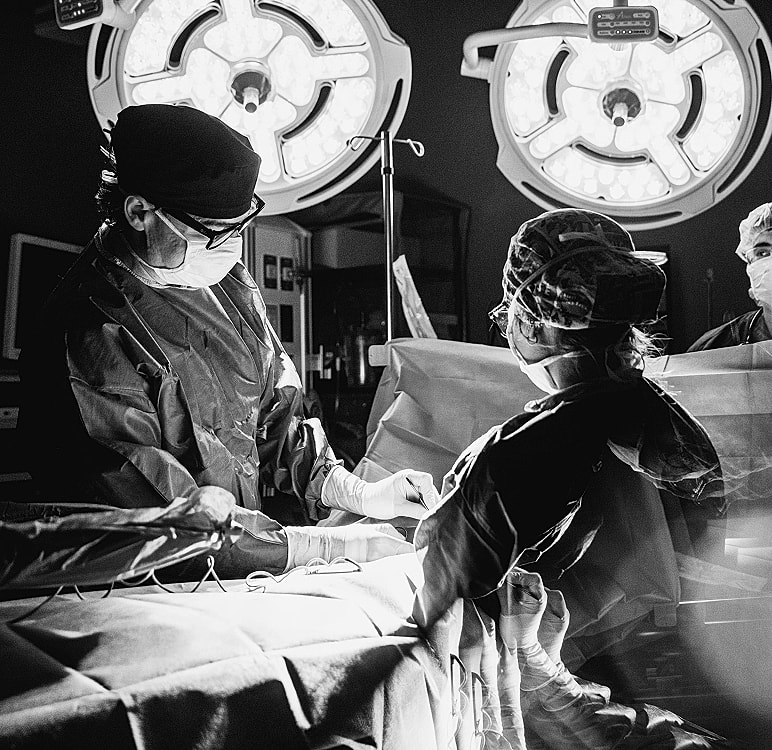
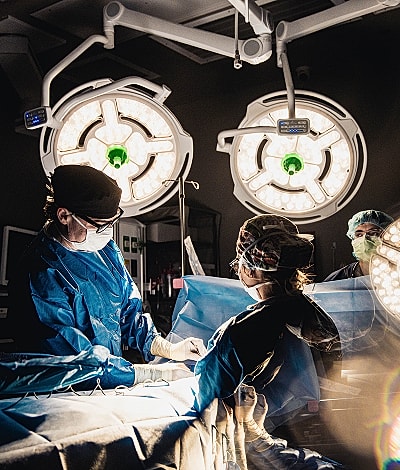
Breast cancer reconstruction begins with consultation and planning. Dr. James works closely with your breast surgeon and oncology team to coordinate care. Together, they decide whether immediate reconstruction at the time of cancer surgery or delayed reconstruction after other treatments is the best path forward. The complexity of the procedure depends on the chosen breast reconstruction technique and whether one or both breasts are treated.
Common reconstructive procedures include:
Breast cancer reconstruction is an option for many breast cancer patients, including those who:
The benefits of breast reconstructive surgery extend beyond the physical. Dr. James’s goal is to help patients feel whole again after breast cancer, offering results that honor both their health and their sense of self.
Women often report:
Most women who have undergone breast cancer surgery are candidates for breast reconstruction surgery. Some women may benefit from immediate reconstruction performed during mastectomy. Others may need delayed reconstruction once treatment is complete. Dr. James ensures every patient understands the advantages and limitations of each approach. The right timing and method depend on factors such as:

Recovery varies depending on the breast reconstruction method. Implant surgery with tissue expanders may involve a shorter recovery time, while free flap procedures require longer healing due to abdominal surgery or thigh donor site closure.
Most patients experience swelling, mild discomfort, and scar tissue formation as healing progresses. Follow-up care includes monitoring the reconstructed breast for healthy blood supply and guiding patients through gradual return to normal activity. Dr. James and his team provide detailed aftercare instructions, compassionate follow-up, and personalized support throughout recovery.
The results of breast cancer reconstruction are designed to restore a natural breast shape that feels in harmony with the rest of the body.
With techniques such as DIEP flap breast reconstruction or implant-based breast reconstruction, patients achieve results that balance softness, contour, and proportion.
Over time, refinements such as nipple reconstruction, fat grafting, or procedures on the other breast may further enhance symmetry. For most women, breast reconstructive surgery offers lasting improvements in both appearance and emotional well-being.
Dr. James Rough is a board-certified plastic surgeon specializing in breast reconstruction procedures. With fellowship training in microsurgery and advanced experience in flap reconstruction, he offers patients access to the most sophisticated breast reconstruction options available.
Patients trust Dr. James not only for his surgical expertise but for his warmth, compassion, and dedication to patient-centered care. He partners closely with each woman, ensuring every reconstructive procedure is tailored to her unique needs.
Not always. Some women benefit from immediate breast reconstruction during mastectomy, while others choose delayed breast reconstruction after completing radiation therapy or chemotherapy.
Implant reconstruction uses silicone breast implants or tissue expanders, while flap reconstruction uses autologous tissue from donor sites such as the lower abdomen or upper inner thigh.
Breast reconstruction is coordinated with your oncology team to ensure it does not interfere with chemotherapy, radiation therapy, or other treatments.
Radiation can affect breast skin and scar tissue. In these cases, flap procedures with autologous tissue often provide better outcomes than implants.
Yes. Sometimes reconstruction includes a breast lift, breast reduction, or augmentation of the other breast to improve symmetry.
External breast prostheses are an option for women who prefer not to undergo additional surgery.
Yes. Nipple reconstruction and tattooing can recreate natural appearance after healing.
DIEP flap reconstruction preserves the rectus abdominis muscle while still transferring fat tissue and skin to form a new breast.