
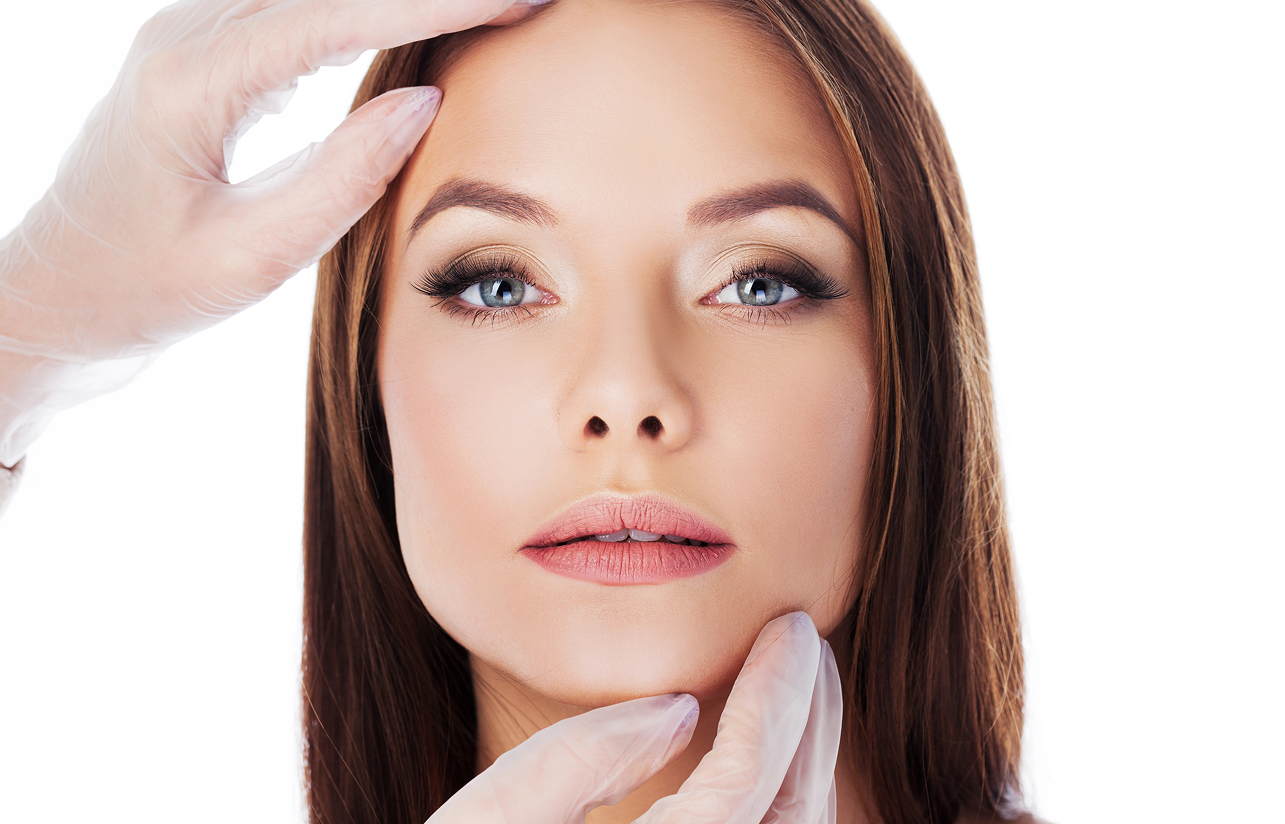
Skin laxity goes beyond fine lines or wrinkles; it reflects deeper structural changes in the skin that affect how the face and body hold their shape. Most discussions overlook how factors like weight fluctuations, muscle tone, and subtle collagen loss contribute to sagging over time. Understanding skin laxity in this broader context helps individuals explore treatments that do more than smooth the surface—they restore natural contours, support long-term elasticity, and enhance confidence in appearance.
Skin laxity is the gradual loss of firmness and elasticity in the skin, caused by changes in the deeper structural layers, including collagen, elastin, and connective tissue. Unlike surface wrinkles, skin laxity affects the overall contour and shape of the face and body, often resulting in sagging cheeks, jowls, neck folds, or drooping skin on the arms, abdomen, and hands. While aging is the most common factor, other contributors include sun exposure, smoking, hormonal shifts, and significant weight fluctuations. An often-overlooked aspect is how fat distribution and muscle tone interact with skin laxity—two people of the same age may show vastly different degrees of sagging depending on their body composition and genetics. Recognizing skin laxity as a structural, rather than purely cosmetic, issue helps guide treatment strategies that restore natural shape and long-term support rather than simply tightening the surface.
Skin laxity can appear almost anywhere, but certain areas are more prone due to natural movement, gravity, and tissue composition. On the face, common signs include sagging cheeks, jowls, under-eye puffiness, and loose skin along the jawline and neck. The midface often loses definition first, subtly altering contours even before wrinkles are noticeable. On the body, skin laxity frequently affects the upper arms, abdomen, and thighs, especially after significant weight loss or pregnancy. Hands, knees, and décolletage also show early signs due to thin skin and repeated movement. What’s seldom discussed is how these areas interact visually—loose skin in one region can accentuate sagging elsewhere, making comprehensive evaluation essential for treatments that restore harmony and proportion across the face and body.
For individuals with significant skin laxity, surgical intervention is often the most effective way to restore a firm, youthful appearance. While non-surgical treatments can improve mild to moderate sagging, surgery addresses the deeper structural changes that cause pronounced looseness. Key considerations include the targeted area, desired outcome, and individual anatomy. Here are the main surgical options and insights that are rarely discussed:
Surgical treatment for loose skin is tailored to each patient’s anatomy, lifestyle, and aesthetic goals, providing structural support and long-lasting improvement that non-surgical approaches alone cannot achieve. These procedures address the deeper layers of tissue, reposition underlying muscles when necessary, and remove excess skin to restore natural contours. By combining precision techniques with an understanding of each patient’s unique body proportions, surgical interventions can create balanced, harmonious results that enhance confidence and function while maintaining a natural appearance over time. Careful planning also minimizes visible scarring and ensures recovery is as smooth and safe as possible.
Maintaining skin elasticity goes beyond topical creams and occasional treatments. Preventive strategies focus on protecting and supporting the deeper skin structures. Sun protection is essential, as UV exposure breaks down collagen and elastin, accelerating sagging. Balanced nutrition rich in antioxidants, healthy fats, and protein supports tissue repair and resilience. Consistent strength training and posture exercises help maintain muscle tone, which provides natural support to the overlying skin. Avoiding smoking and excessive alcohol also preserves skin health. Emerging treatments, such as non-invasive collagen-stimulating therapies, can complement lifestyle measures by reinforcing the skin’s structural network. Regular monitoring and early intervention allow subtle improvements before sagging becomes pronounced, offering a proactive approach to long-term skin firmness.
Before pursuing skin laxity treatments, it’s important to evaluate both personal goals and physical factors. Age, genetics, and overall health influence how the skin responds to surgical or non-surgical interventions. Recovery time, potential scarring, and realistic expectations should be discussed in detail with a board-certified plastic surgeon. It’s also worth considering how lifestyle habits—such as diet, hydration, exercise, and sun exposure—affect both immediate results and long-term maintenance. Not all treatments are suitable for every area or level of laxity, so a tailored plan that balances effectiveness, safety, and natural-looking outcomes is essential. Early consultation can prevent over-treatment or disappointment and optimize results for each individual’s unique anatomy.
Skin laxity is a natural part of aging, weight changes, and lifestyle factors, but it doesn’t have to compromise your confidence or appearance. Understanding the underlying causes, identifying the areas affected, and exploring both surgical and non-surgical treatment options can help you achieve natural, long-lasting results. Preventive strategies and proper maintenance further enhance outcomes over time. If you are noticing sagging skin or want to explore ways to restore firmness, schedule a personalized consultation with a board-certified plastic surgeon. Visit us or call 520-526-2082 to discuss your goals and create a tailored plan for youthful, natural-looking contours.